What are you looking for?
×

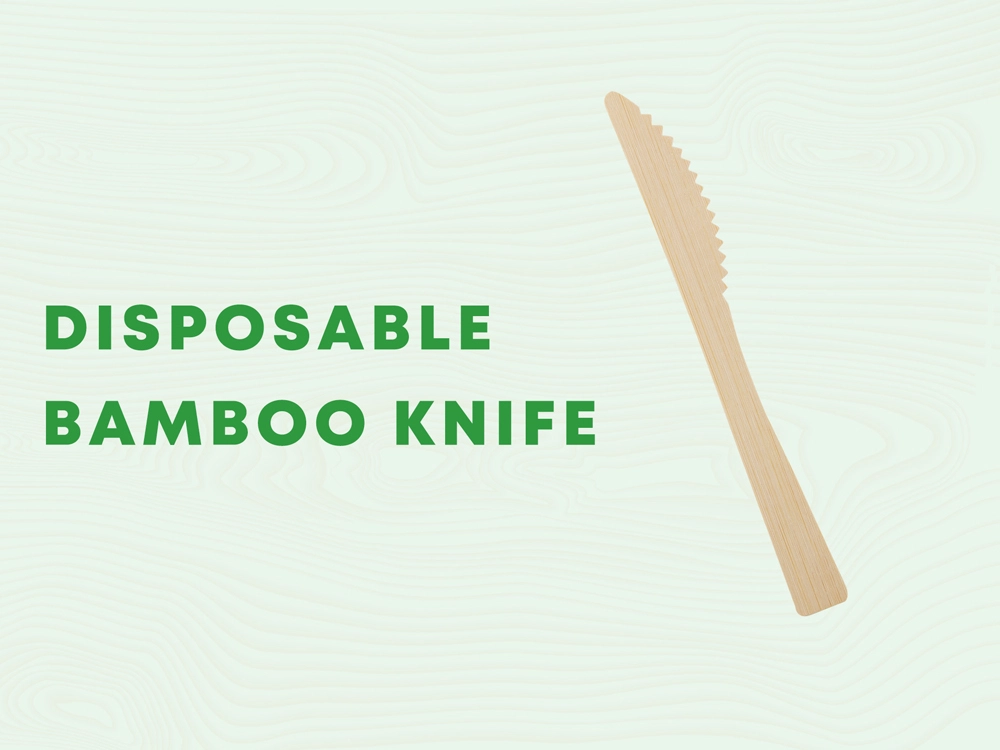
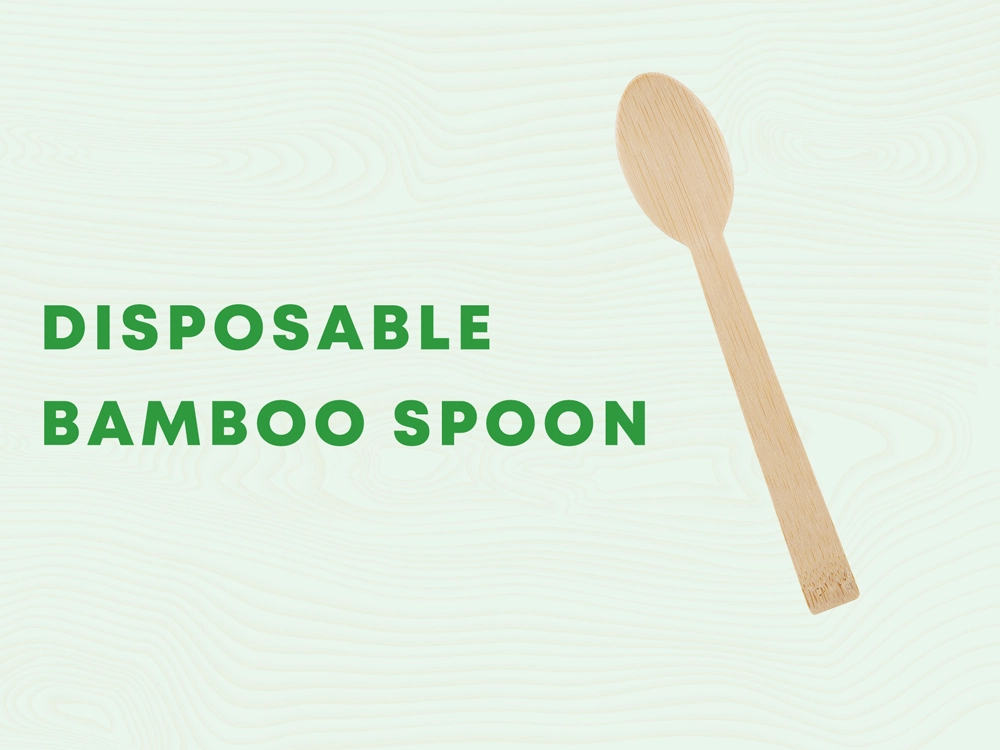
You made a planet-friendly choice when you opted for single-use bamboo cutlery—but as you hold that sturdy fork after your picnic, you can't help but wonder: Does "single-use" really mean I can't use it again? It's a fair question, especially for eco-conscious consumers, zero-waste enthusiasts, and small event planners looking to maximize the value of every sustainable purchase.
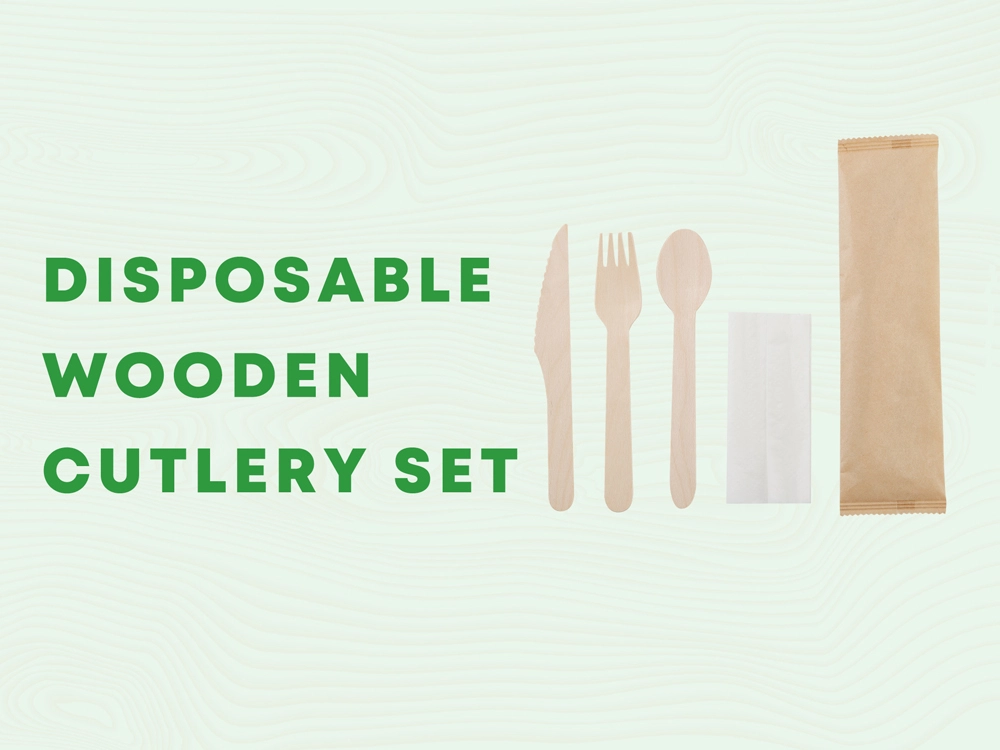
Here's the quick answer for those scanning for clarity: While single-use bamboo cutlery is designed for one-time use, high-quality pieces can often be reused 2–3 times for light meals if cleaned and stored properly. However, the real eco-win lies in its end-of-life disposal, not its extended use. Speaking of quality, Sanyang Wood's premium single-use bamboo cutlery stands out as a durable and sustainable option worth considering for your next gathering.
In this blog, we'll dive into the science of bamboo, whether reusing bamboo utensils is safe, how to handle bamboo cutlery disposal, and even some creative ways to repurpose them. Let's explore how to make the most of this eco-friendly choice!
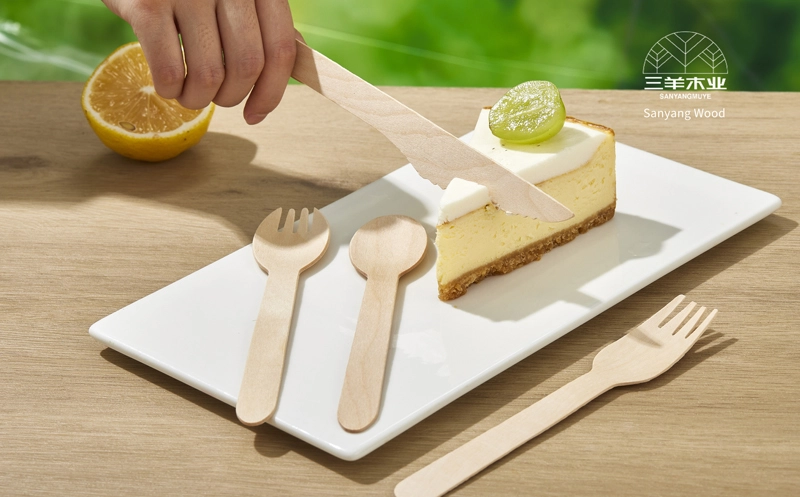
Bamboo isn't just another trendy material—it's a sustainability powerhouse. Contrary to common belief, bamboo isn't wood; it's a fast-growing grass with incredible tensile strength that often surpasses traditional materials like birchwood or even some metals. This natural density makes bamboo cutlery more durable than you might expect for a "disposable" product.
Here's how it stacks up against the competition:
| Material | Reusability | Compost Time | Heat Resistance |
|---|---|---|---|
| Bamboo | 2-3 uses (light meals) | 4-6 months (home compost) | Good (up to 200°F) |
| Plastic | 1 use (often cracks) | 100+ years (landfill) | Poor (melts easily) |
| Birchwood | 1-2 uses (splinters) | 6-12 months (compost) | Moderate |
Compared to birchwood, which tends to splinter after a single use, or plastic, which warps under heat and contributes to a massive carbon footprint, bamboo offers a unique combination of resilience and eco-friendliness. Its natural resistance to water and heat (up to about 200°F) means it won't deform during a hot meal, making it a standout choice for sustainable dining.
So, can you reuse single-use bamboo cutlery? The answer is a cautious yes—with some ground rules. Based on real-world testing and feedback from eco-minded users, we’ve developed the "3-Wash Rule" to safely extend the life of your bamboo utensils for light, non-greasy meals (think salads or sandwiches).
Hand-Wash Only: Never toss bamboo cutlery into the dishwasher. Excessive heat and prolonged moisture can cause warping or cracking. Instead, rinse immediately after use with lukewarm water and mild soap.
Dry Immediately: Bamboo is naturally resistant to water, but leaving it damp can invite mold or bacteria growth. Wipe it dry with a clean cloth right after washing.
Inspect Before Reuse: After 2-3 uses (or washes), check for signs of wear like fraying edges or a rough finish. If it's no longer smooth, it's time to retire the piece.
Even the toughest bamboo cutlery has its limits. Stop using it if you notice:
Splinters or fraying at the edges (a risk for injury).
A patchy or rough surface (indicating breakdown).
Any odor or discoloration (a sign of bacteria or mold).
Reusing is a temporary bonus, but bamboo cutlery disposal is where its environmental benefits truly shine. Let's talk about that next.
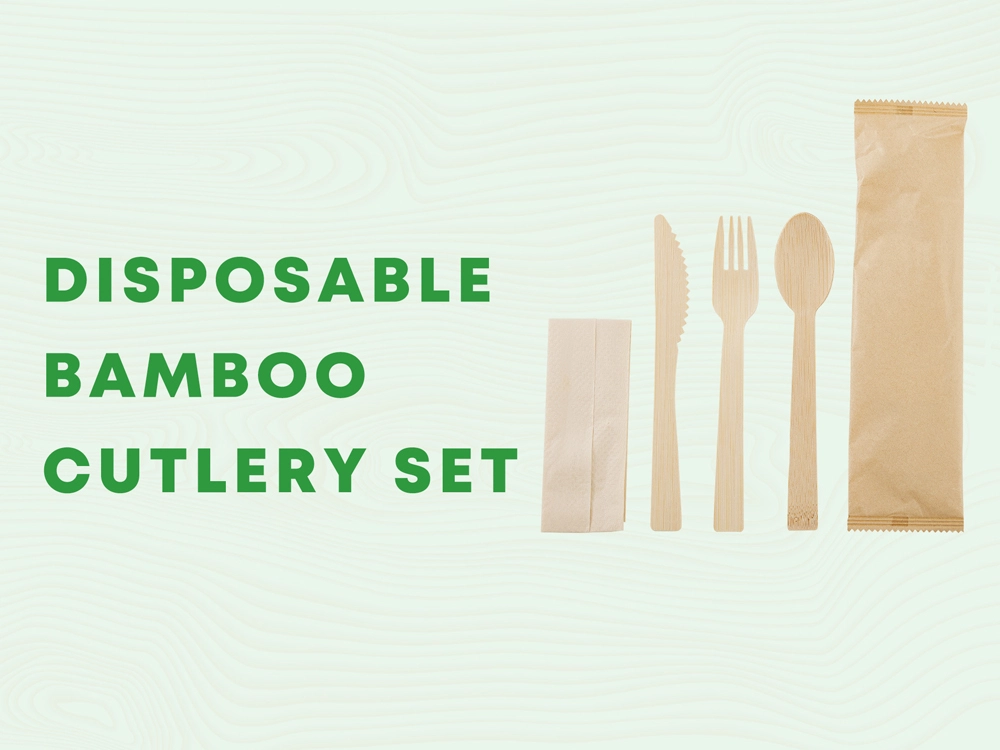
If you've been asking, is bamboo cutlery biodegradable?, the answer is a resounding yes—if handled correctly. Unlike plastic utensils that linger in landfills for centuries, bamboo cutlery can return to the earth in a fraction of the time. Here are your best options for responsible disposal:
Timeline: Bamboo typically decomposes in 4–6 months in a well-maintained home compost.
Pro Tip: Snap the cutlery into smaller pieces to speed up the process. Smaller fragments break down faster due to increased surface area.
Important: Ensure your compost pile has a good balance of green (nitrogen-rich) and brown (carbon-rich) materials to optimize decomposition.
Best For: Those without a home compost setup.
How to Do It: Check if your local waste management offers industrial composting and confirms they accept certified compostable items like FSC-certified bamboo products.
Note: Not all facilities process bamboo, so a quick call or website check can save you the guesswork.
Last Resort: If composting isn't an option, bamboo cutlery will still break down faster than plastic in a landfill—often within a few years, versus hundreds.
Reality Check: Landfills lack the oxygen and microbial activity needed for optimal decomposition, so this isn’t ideal for a zero-waste lifestyle.
Quick Checklist for Composting Bamboo Cutlery:
Remove any food residue before composting.
Break into smaller pieces if possible.
Confirm your compost setup (home or industrial) accepts bamboo.
Mix with other organic waste for balanced decomposition.
Before you dispose of your worn-out bamboo cutlery, why not give it a second life? For eco-warriors and DIY enthusiasts, here are some fun ways to repurpose utensils that are no longer safe for eating:
Garden Markers for Herbs: Write the names of your plants (like "Basil" or "Mint") on the handle with a permanent marker and stick them into the soil as labels.
Stir Sticks for Crafts: Use them to mix paint, glue, or resin for small art projects.
Kindling for Fire Pits: Dry bamboo cutlery makes excellent kindling for a backyard campfire—just ensure it's free of any chemical coatings or residues.
These ideas not only extend the utility of your purchase but also align with a zero-waste lifestyle, reducing your overall environmental impact.
The beauty of single-use bamboo cutlery lies in its flexibility. It's sturdy enough to handle a second picnic salad or backyard BBQ, yet eco-friendly enough to return to the earth with minimal harm. Whether you're reusing bamboo utensils for a few meals, composting them after use, or upcycling them into something new, you’re making a choice that prioritizes the planet.
Ready to elevate your next sustainable gathering? Browse our full collection of single-use bamboo cutlery from Sanyang Wood and discover premium, FSC-certified bamboo products designed with both durability and the environment in mind.
Note from the Manufacturer
"At Sanyang Wood, we're committed to crafting bamboo cutlery that balances convenience with sustainability. Our products are sourced from responsibly managed forests and designed to decompose naturally, supporting your journey toward a lower carbon footprint."
— Sanyang Wood Sustainability Specialist