What are you looking for?
×

Plastic utensils melting into pasta or deforming in hot soup—it's a dinner plate nightmare most of us have experienced at least once. But what about bamboo cutlery? Can single-use bamboo knives and forks hold up under the heat while remaining safe and eco-friendly? As the demand for sustainable alternatives grows, the question of bamboo's heat resistance matters now more than ever.
At Sanyang Wood, we're not just manufacturers; we're global advocates for quality and sustainability. We've conducted extensive testing on bamboo's structural integrity against high-temperature scenarios, and the results are both promising and impressive.
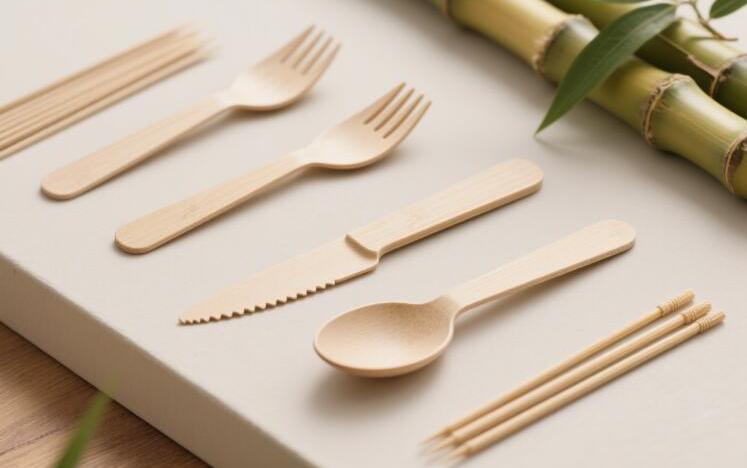
Yes—high-quality bamboo cutlery can reliably withstand temperatures up to 100°C (212°F) without melting, leaching toxic chemicals, or losing its shape. This makes it a safe, durable, and eco-conscious alternative to plastic.
Plastic utensils, especially those made from polypropylene or polystyrene, begin to soften at temperatures as low as 70°C (158°F). Beyond melting, these materials can leach harmful chemicals like BPA and phthalates into your food, especially under prolonged heat exposure. Ever wondered if your fork changed the taste of your soup? It’s likely those chemicals at work.
Bamboo, on the other hand, is a dense, fibrous material derived from grass, not petroleum. Its natural fibers give it thermal stability, ensuring that it doesn’t bend, warp, or release toxins when exposed to high heat. With zero chemical bonding agents, steam-pressed bamboo is inherently safe for hot food contact. Plus, bamboo's burn threshold makes it suitable for a wide range of catering applications—no melting problems here.
Bamboo cutlery shines in real-world applications like soups, hot casseroles, and greasy steaks served directly from catering trays. With proper manufacturing techniques, bamboo spoons and knives maintain their shape even when used for short-term serving of foods that are boiling hot.
The concern about bamboo "wilting" under heat or becoming soggy is common. However, Sanyang Wood's bamboo cutlery undergoes a rigorous drying and polishing process, eliminating excess moisture from the material. This ensures that even when exposed to hot liquids or oily dishes, the cutlery stays firm and functional. No soggy spoons at your dinner table!
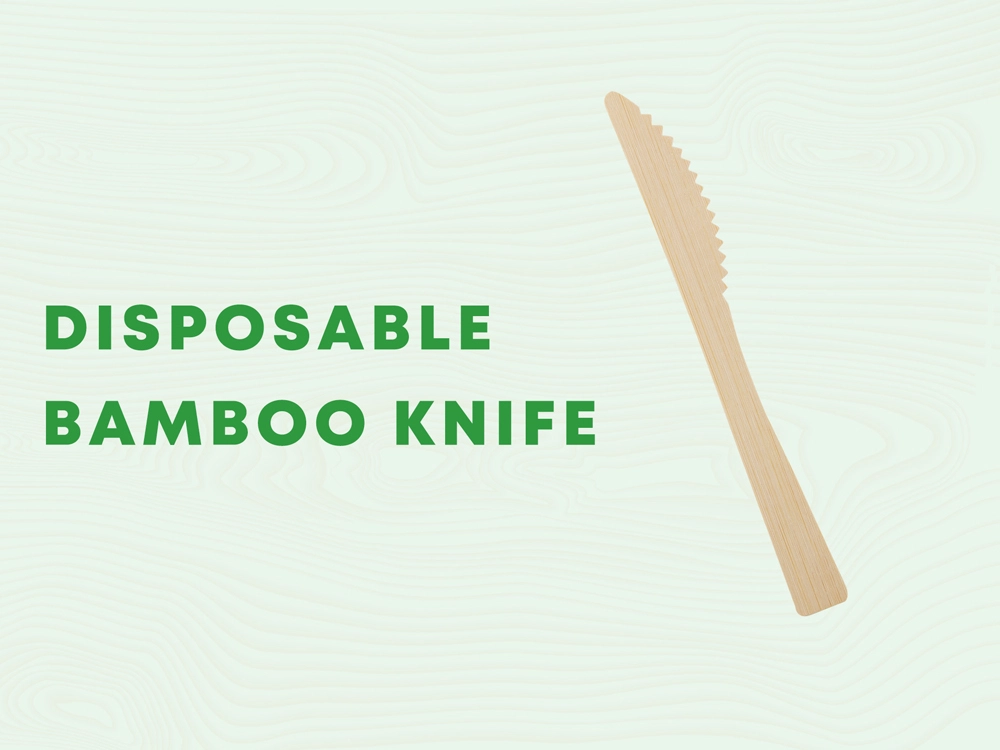
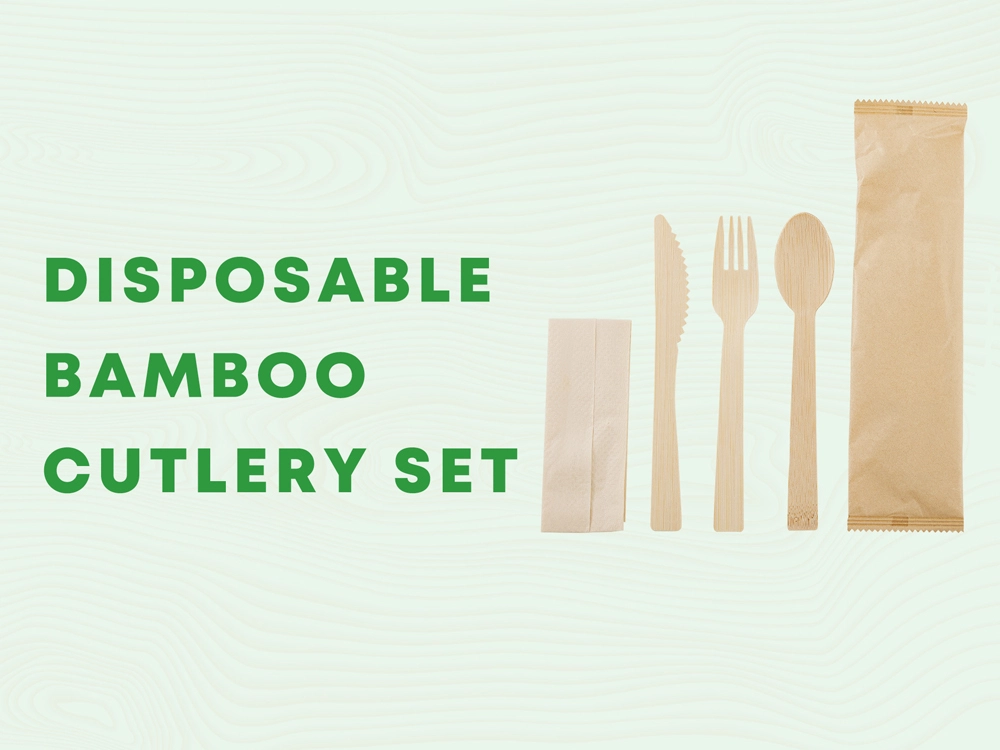
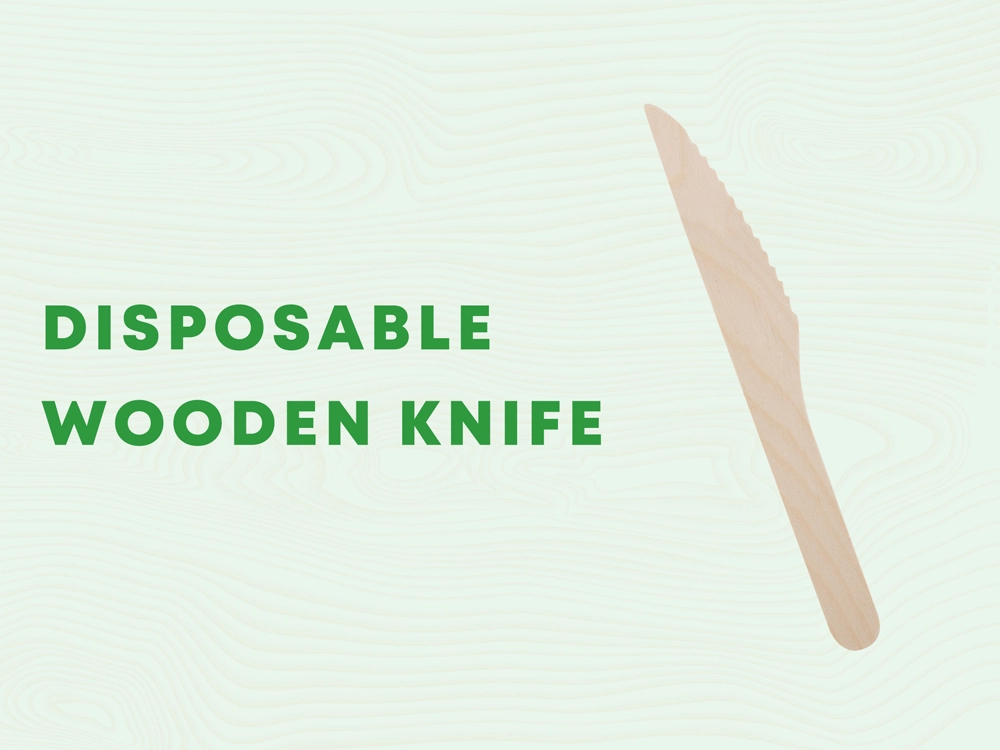
Unlike plastic utensils, bamboo cutlery doesn't include risky chemicals like BPA, phthalates, or synthetic coatings. Sanyang Wood's disposable knives, for instance, are simply steam-pressed. The result? A completely natural product that won't compromise the safety of your food or the environment.
Safety begins with sourcing. Certified manufacturers (and their products) meet stringent food-grade standards, including FSC (Forest Stewardship Council) certification. This ensures that bamboo is sustainably harvested and untreated by harmful chemicals—a crucial step for food-safe utensils. Always look for certifications when choosing bamboo cutlery!
Single-use bamboo cutlery is safe for quick reheating cycles (1–2 minutes). For example, reheating soup in the microwave with bamboo cutlery in the bowl is fine. However, exposing bamboo utensils to prolonged cooking cycles (e.g., 10+ minutes) in microwaves may dehydrate the bamboo, potentially making it brittle. When in doubt, it’s best to remove the cutlery when microwaving for extended periods.
Bamboo knives are built tough. Even when serving heavy proteins like steak or hot casserole, they won't bend or buckle under pressure, unlike plastic alternatives that may fail.
Ever noticed a weird aftertaste when using low-quality wooden or plastic utensils? Premium bamboo solves that issue thanks to its natural, odorless properties. Sanyang Wood guarantees no taste or aroma transfer—just a clean dining experience.
Unlike metal utensils, bamboo doesn't conduct heat quickly. This means your cutlery stays cool to the touch, even when stirring or slicing piping-hot dishes. Comfort and user safety win again.
Bamboo cutlery isn't just safe for hot foods—it's a standout option for environmentally conscious dining. Its natural heat resistance, lack of chemical leaching, and structural integrity make it the perfect choice for hot dishes ranging from soups to steaks. Additionally, bamboo's sustainability rivals—and often exceeds—that of other alternatives like PLA and other bioplastics.
At Sanyang Wood, we go beyond just making sustainable products. We ensure certified quality that meets the demands of home kitchens and professional caterers alike.
Ready to elevate your tableware game and go green in the process? Explore our certified disposable bamboo knife range today and make the switch to sustainability without compromise!
| Material | Heat Resistance | Chemical Safety | Sustainability Impact |
|---|---|---|---|
| Bamboo | Up to 100°C (212°F) | No BPA/phthalates, all-natural | Excellent (Renewable grass) |
| PLA (Cornstarch) | Up to 60°C (140°F) | Generally safe but limited heat | Good but not perfect |
| Plastic (Polypropylene) | Melts at 70–90°C (158–194°F) | Risk of toxic leaching | Poor (Petroleum-based) |