What are you looking for?
×

The global shift from plastic to eco-friendly alternatives brings both excitement and hesitation for restaurant owners and wholesale buyers. While sustainability is a big win, many worry about the performance of wooden takeaway cutlery. Do wooden forks snap during a steak dinner? Will your customers complain about soggy spoons in their hot soup? These common concerns often lead restaurants back to plastic or unappealing bioplastics like PLA.
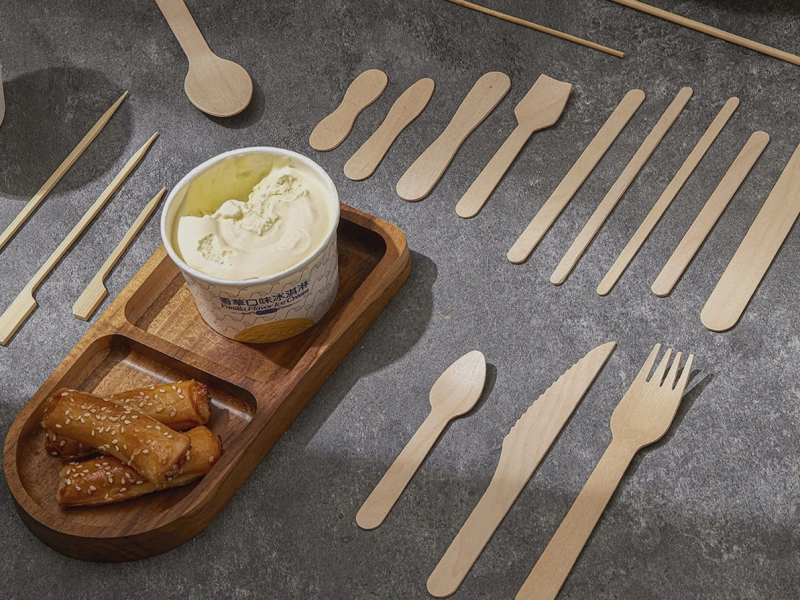
Here's the truth: not all wooden cutlery is crafted equally. At Sanyang Wood, we've engineered our products to answer these objections with reliable heat resistance, durability, and premium mouthfeel. Our disposable Birchwood cutlery delivers all the eco-friendly benefits without sacrificing performance, ensuring your customers' dining experience remains uncompromised.
In this article, we take a scientific approach to explore the heat resistance, tensile strength, and usability of Sanyang's wooden takeaway cutlery, proving why it's the ultimate solution for heavy-duty meals and hot foods like soups and stews.
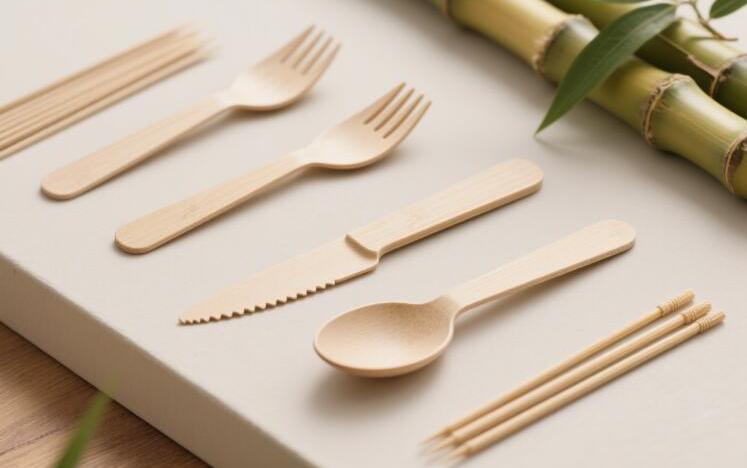
Eco-conscious restaurant owners want to make the right choice for the planet, but they also can't risk their reputation. Imagine the embarrassment of handing a customer a wooden fork, only to watch it snap under the weight of a steak. Or worse—a wooden spoon turning soggy in scalding ramen broth, leaving an unpleasant aftertaste.
These fears are rooted in valid concerns about material properties, and they're often based on bad experiences with low-quality alternatives like poorly made wooden utensils, paper cutlery, or bioplastics.
However, high-quality Birchwood cutlery, backed by thoughtful engineering, is different. At Sanyang Wood, we've perfected the design and testing of wooden utensils to ensure they exceed expectations in both durability and user experience. Let's start with one of the toughest tests: heat resistance.
The first and most critical factor in food service is how a utensil behaves when exposed to high temperatures—think ramen, coffee, or freshly steamed casseroles. Here's how Sanyang Wood's cutlery compares to other materials.
While PLA (polylactic acid) products are often marketed as "eco-friendly," they come with a major flaw: heat deformation. PLA begins to soften and deform at temperatures as low as 60–80°C (140–176°F). A fork or spoon made of PLA won't hold up in a steaming bowl of soup—leaving you scrambling to explain to unhappy customers.
Birchwood, on the other hand, is a natural material that remains chemically stable in boiling liquids up to 100°C (212°F). Wood doesn't melt, deform, or release harmful substances at high temperatures, ensuring safe use with hot foods.
Unlike plastic-based alternatives, our Birchwood cutlery also eliminates the risk of toxic leaching. When submerged in high-temperature foods, there's no fear of chemicals migrating into your food. Wood is naturally inert, offering taste neutrality and safety for your customers.
Another overlooked factor is thermal conductivity. Wooden cutlery doesn't transfer heat like metal utensils, protecting customers from burning their hands while using forks, spoons, or knives left in hot liquids. This insulating property contributes to a better, safer dining experience.
One of the greatest challenges for disposable cutlery is maintaining structural integrity during tough meals like steaks and roasts. To determine performance, strength needs to be evaluated on two levels: material composition and design.
Not all wood is created equal. Birchwood, the main material behind Sanyang Wood's cutlery, is lauded for its tight grain structure and high density. This gives it an edge over softer woods like poplar, ensuring it doesn't crack or snap under pressure.
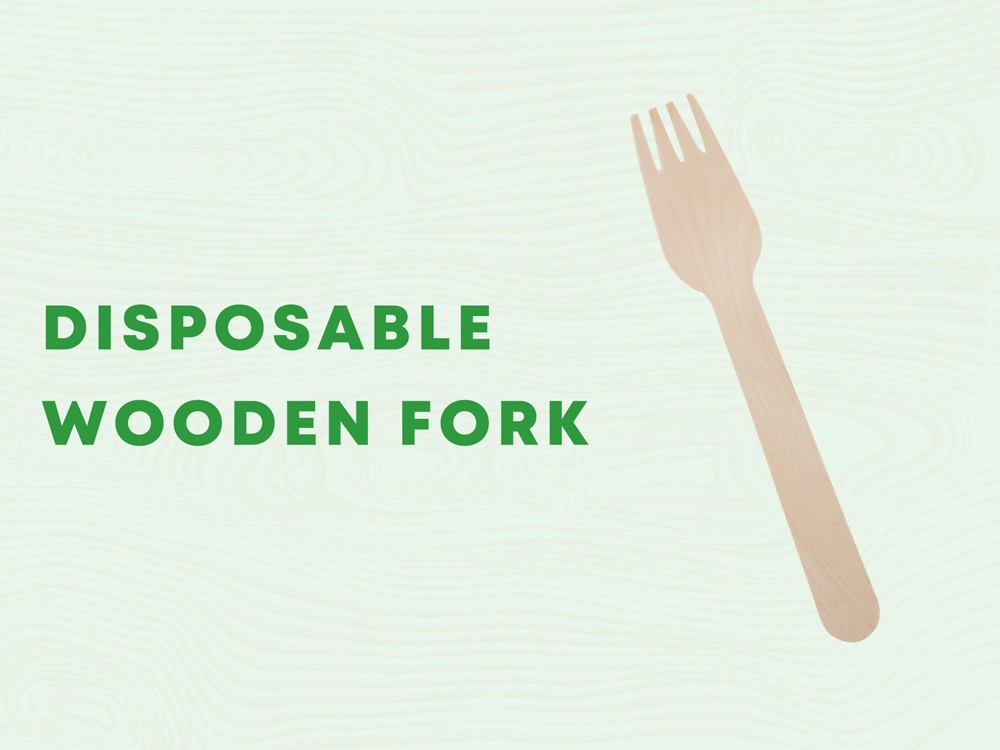
Sanyang's engineering takes durability a step further. Every fork is designed with reinforced geometry, particularly in high-stress areas like the neck (where most breaking occurs). Specialized pressing and shaping machines ensure uniform thickness and strength, reducing weak points and making our products some of the sturdiest disposable wooden cutlery on the market.
A fork that can hold up against a medium-rare steak or BBQ ribs isn't just functional—it underscores your commitment to quality and customer satisfaction.
The texture of wooden cutlery often comes under scrutiny for two reasons:
Rough surfaces leading to splinters.
A fear of "wood taste" when used with liquid foods.
Unlike cheaper alternatives, Sanyang Wood employs a tumble polishing process that uses high-friction contact to smooth out every edge. The result? Splinter-free utensils with a soft, smooth finish that feels natural in the hand and mouth.
We're also proud to say that no chemical coatings or varnishes are used in our polishing process—just careful craftsmanship. This keeps our products 100% natural and chemical-free.
Many buyers express concerns that wooden cutlery might alter the taste of food, especially when used in liquid dishes. This happens with inferior products that have not been properly kiln dried. Sanyang's drying process minimizes residual resin and moisture in the wood fibers, ensuring that our utensils remain odorless and tasteless.
Sometimes data speaks louder than words. Here's how wooden cutlery stacks up against the alternatives:
| Material | Heat Resistance (°C) | Rigidity | Leaching Risk | Eco Impact |
|---|---|---|---|---|
| Birchwood (Sanyang) | 100°C+ | Sturdy for steak | None | 100% biodegradable, FSC-certified |
| PLA Bioplastic | 60–80°C | Medium, not durable | Possible microplastics | Compostable in industrial sites only |
| Traditional Plastic | 100°C+ | High, but polluting | High chemical leaching | Non-biodegradable |
| Paper Cutlery | <60°C | Soft, flimsy | None | Compostable, quickly soggy |
Sanyang's wooden takeaway cutlery isn't just for any meal—it thrives in high-demand use cases where performance and aesthetics matter most. Here's where our cutlery shines:
BBQ & Steakhouses: Perfect for heavy, meat-centered dishes.
Ramen & Soup Shops: Handles heat without deforming, retains integrity in liquid for extended periods.
Poke Bowls & Salad Bars: Complements natural ingredients with its eco-aesthetic.
Events & Catering: Premium look and dependable performance for upscale settings.
Sanyang Wood's wooden takeaway cutlery isn't just an environmentally-friendly option—it's a durable, heat-resistant, taste-neutral solution that provides confidence and quality with every bite. Whether your customers are enjoying a piping hot soup or slicing into a steak, our engineered Birchwood cutlery delivers where other disposables fall short.