What are you looking for?
×

The one-star review didn't mention the food. It said: "The fork felt like sandpaper and left splinters on my lip."
In 2026, sustainability credentials are table stakes—customers expect eco-friendly packaging and disposables as a baseline. What separates a premium brand experience from a disappointing one is tactile quality: how the fork feels against the lip, whether the knife edge is clean, whether there is any woody aftertaste. A rough wooden cutlery set can undo the positive brand signal that the sustainable choice was supposed to create.
This is why operators across delivery, catering, airlines, and premium takeout are upgrading their disposable cutlery specification—not just switching from plastic to wood, but switching to wood with controlled smoothness, consistent finishing, and food-grade safety documentation from a qualified disposable wooden cutlery factory.
The customer's experience of wooden cutlery is determined in the first three seconds of contact. Before the food is tasted, the fork has already communicated something about the brand:
Splinter risk: raised wood fibers on tines or edges create an immediate negative tactile signal—and a genuine safety concern for lip and mouth contact
Lip comfort: the edge geometry where the fork or spoon contacts the lip determines whether the experience feels refined or rough
Bite pressure: a well-finished fork tine penetrates food cleanly; a poorly finished one requires more force and feels structurally uncertain
Aftertaste: improperly dried or finished wood transfers a woody or chemical taste that affects food perception
The difference between wooden cutlery that feels premium and cutlery that generates complaints is a controlled multi-stage finishing process:
Precision forming: cutting and shaping to consistent dimensions with clean geometry on tines, bowl edges, and knife profiles
Multi-stage sanding: progressive grit reduction removes surface roughness and raised fibers; single-stage sanding leaves micro-texture that customers feel as "rough"
Edge deburring: specific attention to tine tips, knife edges, and handle ends—the contact points where splinter risk is highest
Controlled drying: moisture content management prevents grain raising after finishing, which is the most common cause of "rough on arrival" complaints in humid storage or transit conditions
Operators who have upgraded their wooden cutlery specification consistently report measurable improvements in:
Reduction in cutlery-related complaint mentions in delivery platform reviews
Lower re-issue rate (customers requesting replacement utensils during service)
Improved overall meal rating scores where cutlery quality was previously a drag factor
Specifying wooden cutlery without defining finish and performance parameters produces the most common procurement outcome in this category: cutlery that looks acceptable in a product photo but generates complaints in service.

| Utensil | Key Performance Requirement |
|---|---|
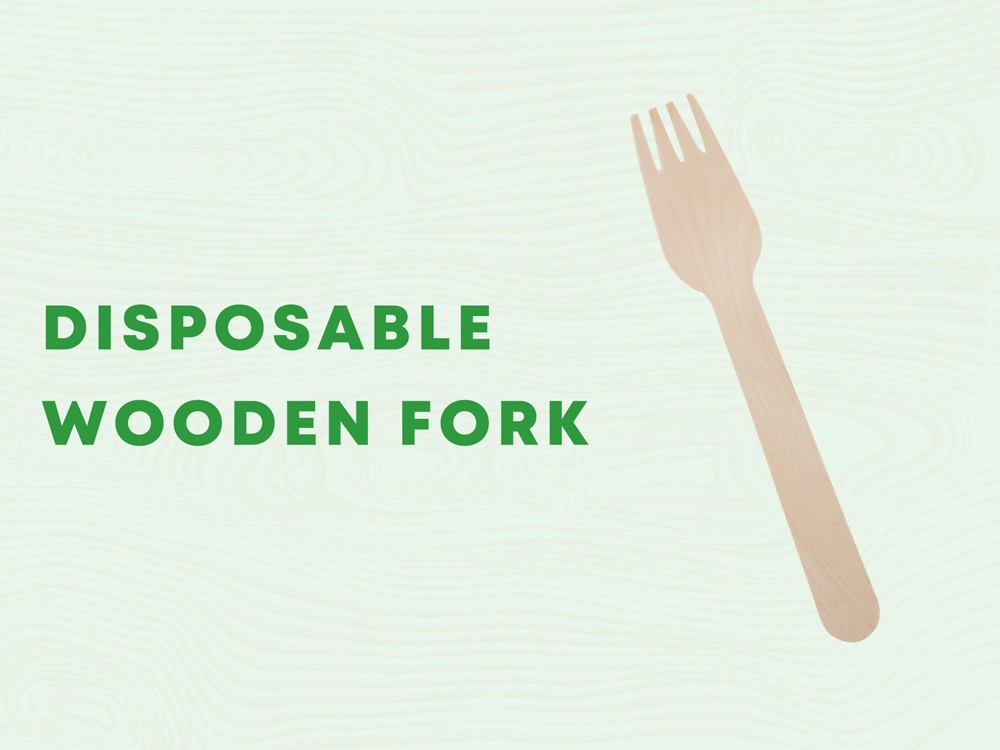
| Fork | Tine rigidity, tip smoothness, tine spacing for food type |
| Spoon | Bowl depth and edge comfort for lip contact |
| Knife | Blade edge geometry, serration quality (if applicable), handle strength |
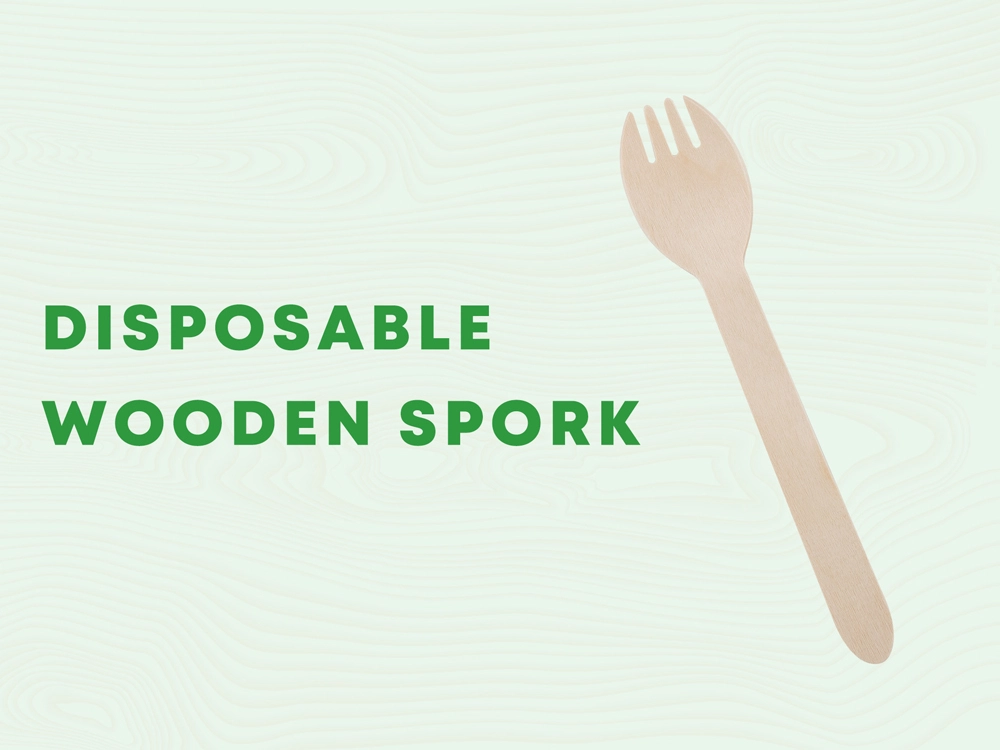
| Spork | Combined tine and bowl performance; higher finish complexity |
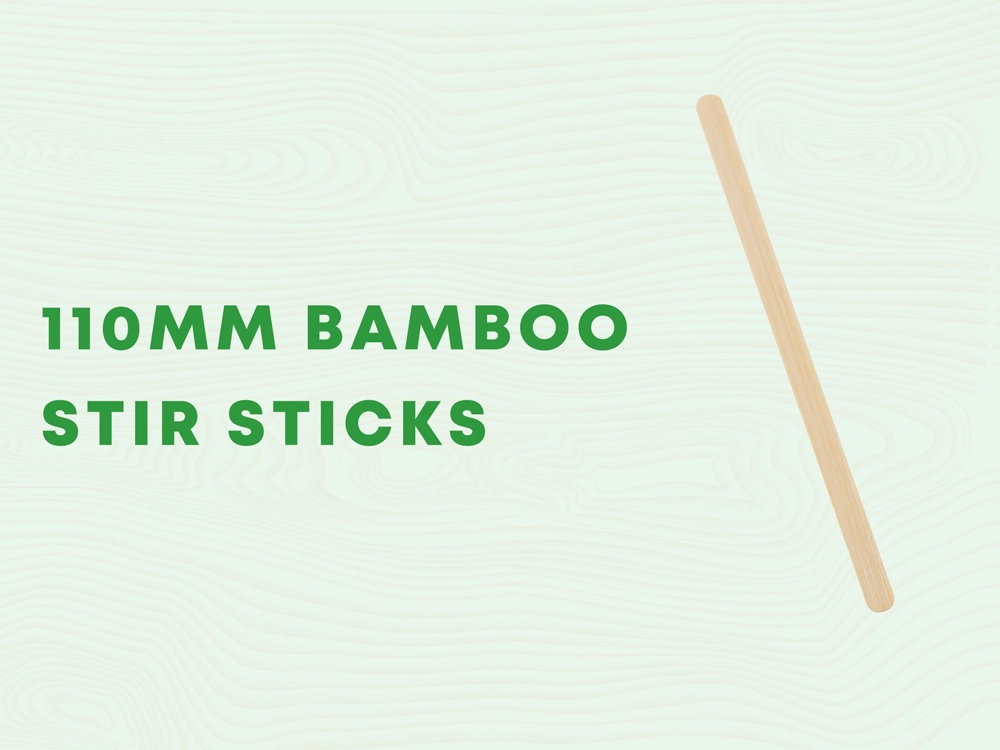
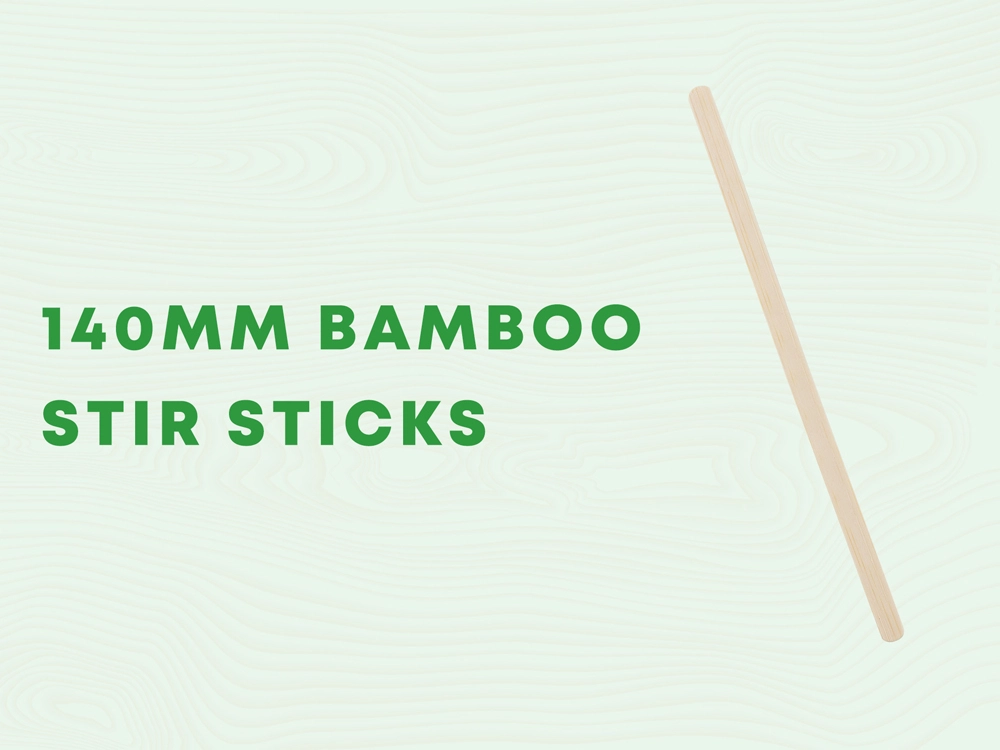
| Stirrer | Surface smoothness for hand contact; no raised fibers |
These are the parameters to standardize in your procurement specification—not just "wooden cutlery, food grade":
Surface smoothness: no sharp edges, no fuzz, no raised fibers on any contact surface
Edge and tine geometry: safe for lip and mouth contact while maintaining functional performance (fork tines that pierce food cleanly; knife edges that cut without requiring excessive force)
Odor and taste neutrality: specify acceptable odor level and confirm with a sensory test on samples before approving a new supplier or batch
Dimensional consistency: length, width, and thickness tolerance across a batch—inconsistency in dimensions causes packing problems and customer perception of "cheap" quality
Wood species: different species offer different balances of taste neutrality, surface hardness, and appearance; confirm species selection against your taste neutrality requirement
Strength grade: standard (suitable for salads, desserts, light meals) vs heavy-duty (suitable for rice bowls, steak, dense foods); specify by menu application
Moisture content at delivery: define acceptable range to prevent warping and grain raising in storage
Bulk: for central kitchens and high-volume catering operations
Individually wrapped: for hygiene-sensitive applications (airlines, hospitals, premium delivery)
Paper band sets: fork/spoon/knife combination for table service or delivery kits
Custom kits: branded packaging for retail meal kits or premium delivery programs
The disposable wooden cutlery factory you source from determines whether your specification is actually delivered—or whether it exists only on paper.
Batch traceability Food-contact products require the ability to trace a complaint back to a specific production batch. A disposable wooden cutlery factory without batch traceability cannot support a recall or quality investigation—which is a compliance risk for food operators in regulated markets.
Consistent QC across dimensions, finish, and defect rate Inconsistency between batches is the most common complaint from operators who have switched to wooden cutlery. The factory's in-process inspection capability—not just final sampling—determines whether the specification is held across a full production run.
Hygiene controls for food-contact production Wood processing generates dust and debris. A factory producing food-contact cutlery must control contamination at every stage from forming through packaging. Confirm hygiene controls are documented and auditable.
Scalable capacity for promotions and peak seasons A supplier that holds your specification at 50,000 units per month but cannot scale to 200,000 for a seasonal promotion creates a supply risk at exactly the moment when brand visibility is highest.
Incoming material inspection: wood species verification, moisture content, defect screening before production
In-process sanding and edge inspection: confirmation that multi-stage finishing is being executed, not just claimed
Final sampling: finish quality, odor test, strength test (fork tine flex, knife cutting performance), packaging integrity
Delivery is the highest-risk application for cutlery quality: the customer interacts with the utensil without any service context to soften a negative impression. A rough fork in a delivery bag generates a review. A smooth, well-finished wooden cutlery set reinforces the premium positioning of the meal and the brand.
Priority specs: individually wrapped or paper band sets for hygiene perception; heavy-duty grade for rice bowls and dense foods; odor neutrality confirmation.
High-volume service requires consistent appearance and performance across thousands of covers. Inconsistent wooden cutlery batches—where some forks are smooth and others are rough—create a "cheap disposable" perception even when the food quality is high.
Priority specs: bulk packaging for cost efficiency; dimensional consistency across large lot sizes; strength grade matched to menu.
Airlines, rail operators, and hotel room service use disposable cutlery as a brand touchpoint. The tactile quality of the fork communicates something about the service standard. A disposable wooden cutlery factory that can supply individually wrapped, consistently finished sets at airline volume is a different capability than a commodity bulk supplier.
Priority specs: individually wrapped for hygiene compliance; premium finish for brand perception; odor and taste neutrality for enclosed cabin environments.
Wooden cutlery included in a retail meal kit is a visible sustainability signal on the shelf. Rough or poorly finished cutlery undermines the premium positioning that the sustainable choice is supposed to reinforce.
Priority specs: retail-ready packaging with brand customization options; finish quality that photographs well and feels premium on first use.
Switching to wooden cutlery from plastic or lower-grade wood does not require equipment changes. For most operations, it is a direct SKU substitution with three operational updates:
Storage SOP: keep dry; humidity causes grain raising and warping that degrades the finish quality you paid for
SKU mapping: define which utensil type and strength grade applies to which menu item
Kit composition: if switching from single-utensil to set packaging, update packing line SOP for the new format
Define food type and temperature: hot soups require spoon bowl depth and heat tolerance; steak requires knife edge performance; desserts require tine delicacy
Choose strength grade: standard for light foods; heavy-duty for dense proteins and grains
Decide packaging format: bulk for central kitchens; individually wrapped for hygiene-sensitive channels; sets for delivery kits
Define finish acceptance criteria: specify no splinters, edge comfort, and odor neutrality as pass/fail criteria—not aspirational descriptions
Run a pilot: 30-day pilot measuring defect rate per 1,000 units, customer complaint mentions, and in-use performance feedback before full rollout
| TCO Factor | Consideration |
|---|---|
| Purchase cost | Premium finish commands a modest price premium over commodity wood |
| Complaint reduction | Fewer cutlery-related negative reviews reduces brand management cost |
| Re-issue reduction | Fewer customers requesting replacement utensils reduces service labor |
| Defect handling | Lower defect rate reduces waste and replacement order frequency |
| Storage cost | Proper dry storage prevents quality degradation between order and use |
| Brand value | Premium tactile experience supports higher price positioning for delivery and catering |
Practical KPIs to track after switching:
Defect rate per 1,000 units received (target: establish baseline, then reduce)
Cutlery-related complaint mentions per 1,000 orders
Re-issue rate per service period
Review score change for delivery platform ratings
In 2026, sustainability is the entry requirement—but finish quality is what determines whether customers perceive your brand as premium or cheap. A rough wooden cutlery set communicates the wrong message regardless of how good the eco-credentials are. Upgrading to smoother, well-controlled wooden cutlery from a proven disposable wooden cutlery factory protects brand image, reduces complaint-driven costs, and supports the scale and compliance requirements of modern food operations.
The specification work that makes this reliable happens before the first order ships: defined finish criteria, confirmed strength grade by menu application, and a supplier with documented QC and batch traceability.
Visit the product page and submit your details to receive a recommended configuration and quotation:
View wooden cutlery options and request a quote
To receive an accurate recommendation, submit the following:
Work conditions: hot/cold foods, delivery time in bag, storage humidity, hygiene requirements
Quantity: monthly demand and peak season volume
Size and spec: fork/spoon/knife type, heavy-duty vs standard, wrapping and kit options
Target metrics: defect rate target, complaint rate target, strength requirement
Current problem: rough edges, splinters, odor, weak knives, inconsistent sizing, supply delays
Q1: What is wooden cutlery?
Wooden cutlery refers to disposable forks, spoons, knives, sporks, and stirrers made from food-contact wood materials, designed for single-use dining, takeaway, delivery, and catering applications. Premium wooden cutlery is produced through a multi-stage forming and finishing process that controls surface smoothness, edge geometry, moisture content, and odor neutrality to meet food-grade safety requirements and deliver a comfortable tactile experience.
Q2: How does wooden cutlery compare with plastic, bamboo, or bagasse alternatives?
Wooden cutlery typically offers a more premium tactile feel than low-grade bioplastics, which can feel thin and structurally uncertain. Compared with bamboo, performance depends heavily on design and finish—bamboo can be harder and more rigid, but wood often provides a warmer, more natural feel for lip contact. Compared with molded fiber (bagasse), wooden cutlery generally provides better rigidity and mouthfeel for utensils, as bagasse performs better in plate and bowl applications than in fork and knife formats. For delivery and premium catering applications where tactile quality drives brand perception, well-finished wooden cutlery from a qualified disposable wooden cutlery factory is typically the strongest choice.
Q3: What ROI can we expect from upgrading to smoother wooden cutlery?
ROI from upgrading wooden cutlery quality is driven by complaint reduction, re-issue reduction, and brand value protection. Operators who have run controlled pilots typically see measurable reductions in cutlery-related negative review mentions within 30–60 days of switching. The financial value of a one-star review improvement on a delivery platform—in terms of order volume and customer retention—typically exceeds the cost difference between commodity and premium-finish cutlery within the first quarter. To build a specific ROI model, track defect rate per 1,000 units, complaint frequency, and re-issue rate before and after the switch.
Q4: Do we need to change our packaging line to switch?
No equipment changes are required. Wooden cutlery is a drop-in SKU replacement in virtually all food operations. The only adjustments needed are storage SOP updates (keep dry to prevent grain raising), SKU mapping updates (which utensil type and strength grade applies to which menu item), and kit composition updates if switching from single-utensil to set packaging. Most operations complete the transition within one ordering cycle without any capital expenditure.
Q5: What parameters should we provide for correct selection and quoting?
To receive an accurate configuration recommendation and quotation from a disposable wooden cutlery factory, provide: food types served and temperature exposure (hot/cold), required strength level (standard vs heavy-duty), utensil dimensions and type (fork/spoon/knife/spork), finish requirements (smoothness standard, no splinters, odor neutrality), packaging format (bulk/individually wrapped/sets), monthly volume and peak season demand, and any compliance or documentation requirements for your market. The more specific your inputs, the more precise the recommended specification and quotation.