What are you looking for?
×

A fork may only be used for a few minutes, but the choice of material behind it can influence a business for much longer. From the moment a customer picks up a utensil, its texture, strength, appearance, and environmental story become part of the overall dining experience. This is why more food service businesses are paying attention to sustainable alternatives such as disposable bamboo cutlery and disposable wooden cutlery.
At first glance, bamboo and wood cutlery may look almost identical. Both have a natural appearance, both replace traditional plastic utensils, and both support more sustainable dining practices. However, beneath the surface, these two materials have different structures, production methods, performance characteristics, and ideal applications.
For a premium restaurant serving carefully prepared meals, a catering company managing large events, or a takeaway brand looking for practical eco-friendly solutions, choosing between bamboo and wood is not simply a material decision. It is a decision about durability, customer experience, brand image, and long-term sustainability goals.
In this comparison, Sanyang Wood explores the differences between disposable bamboo utensils and disposable wooden cutlery, helping businesses understand how each option performs and which sustainable cutlery solution is the better fit for their food service needs.
The growing demand for sustainable food service products has introduced more natural alternatives to traditional plastic utensils. Among these options, disposable bamboo cutlery and disposable wooden cutlery have become two widely adopted choices for restaurants, cafes, catering companies, hotels, and takeaway businesses.
Although they share similar purposes, bamboo and wood are different natural materials. Bamboo is a fast-growing plant with a dense fiber structure, while wooden cutlery is generally produced from selected food-grade timber materials. These differences affect the way each type of utensil feels, performs, and fits into different business environments.
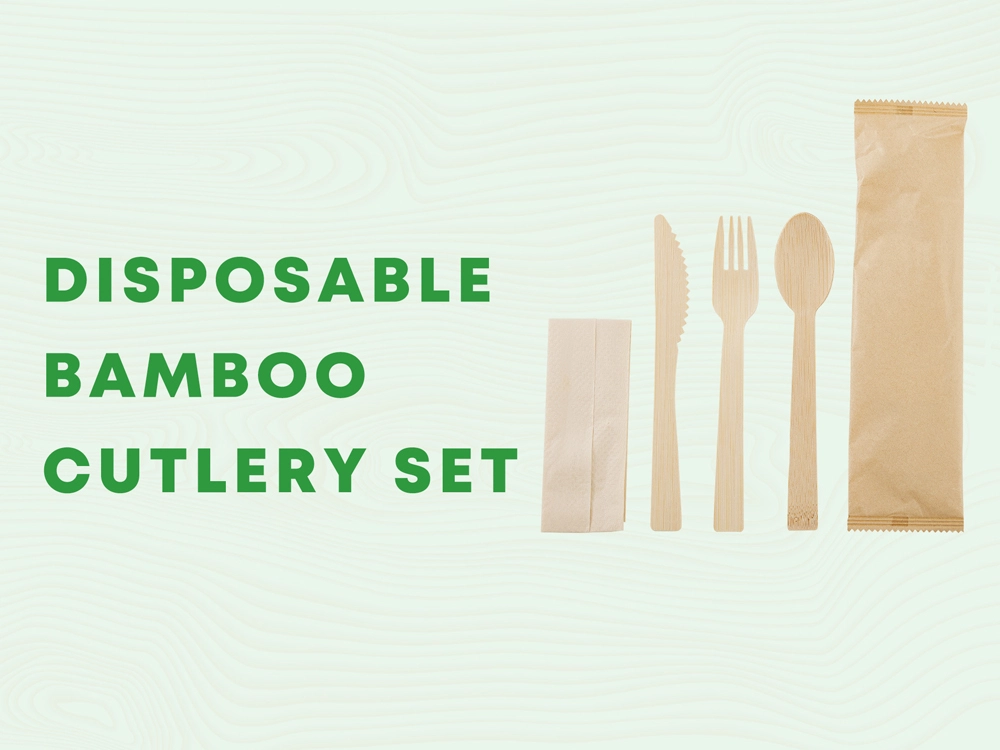
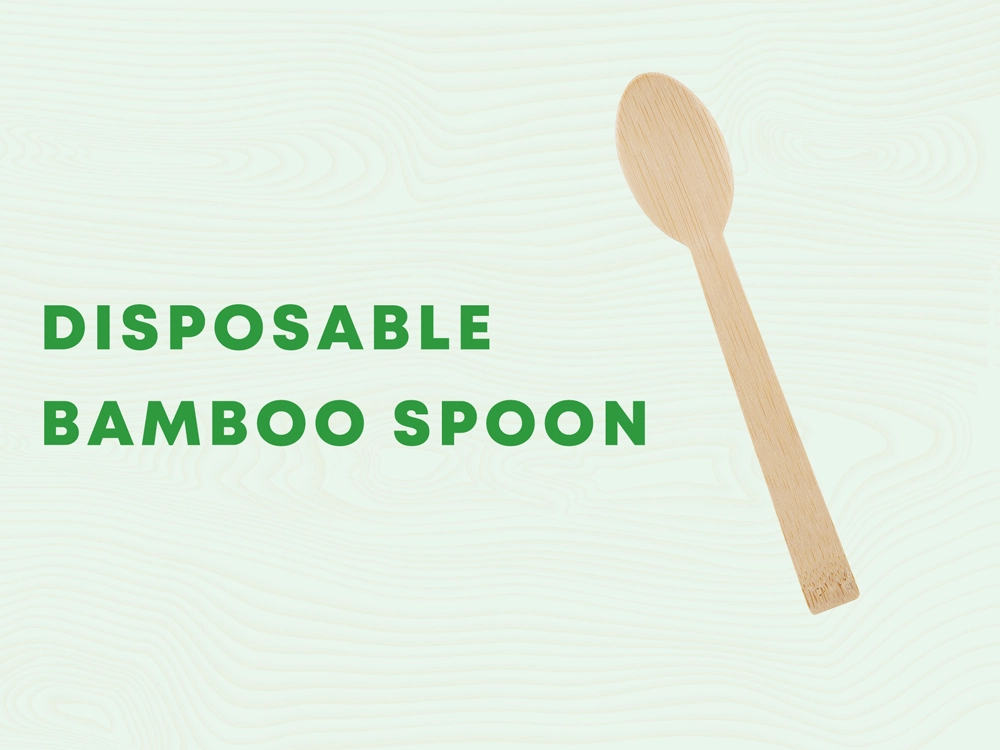
Disposable bamboo cutlery is often selected by businesses that want a more refined appearance and stronger performance. The natural density of bamboo allows manufacturers to create utensils with a smooth surface, lightweight structure, and good resistance during use.
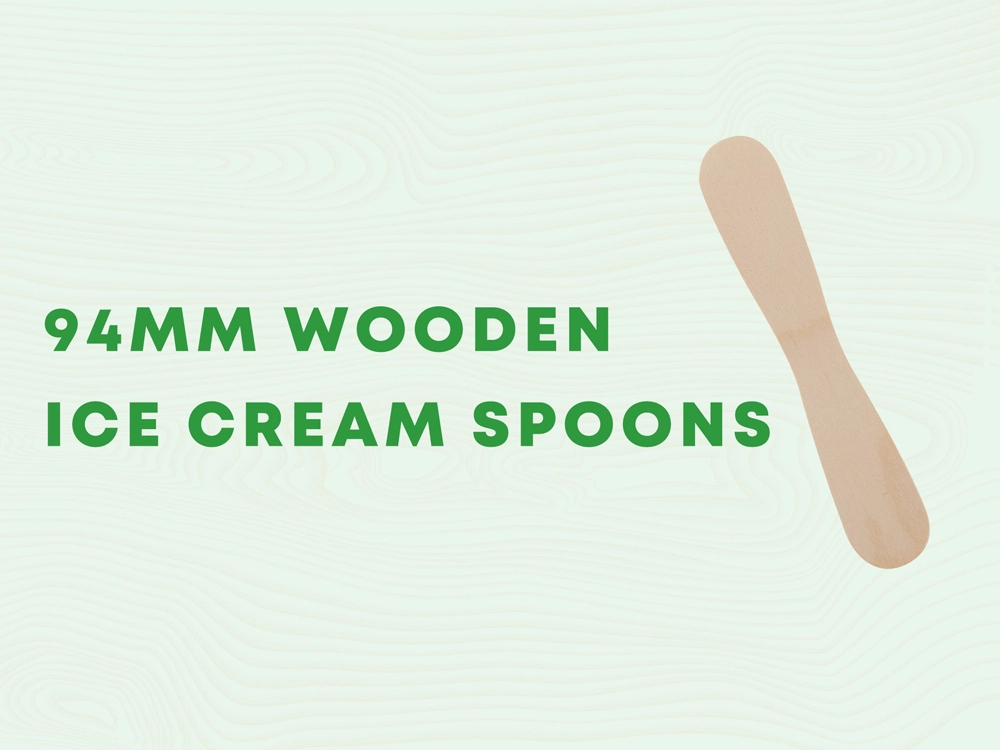
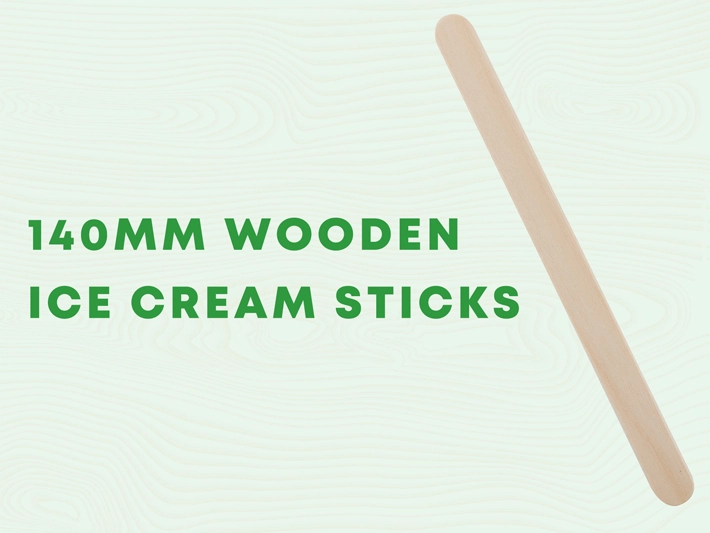
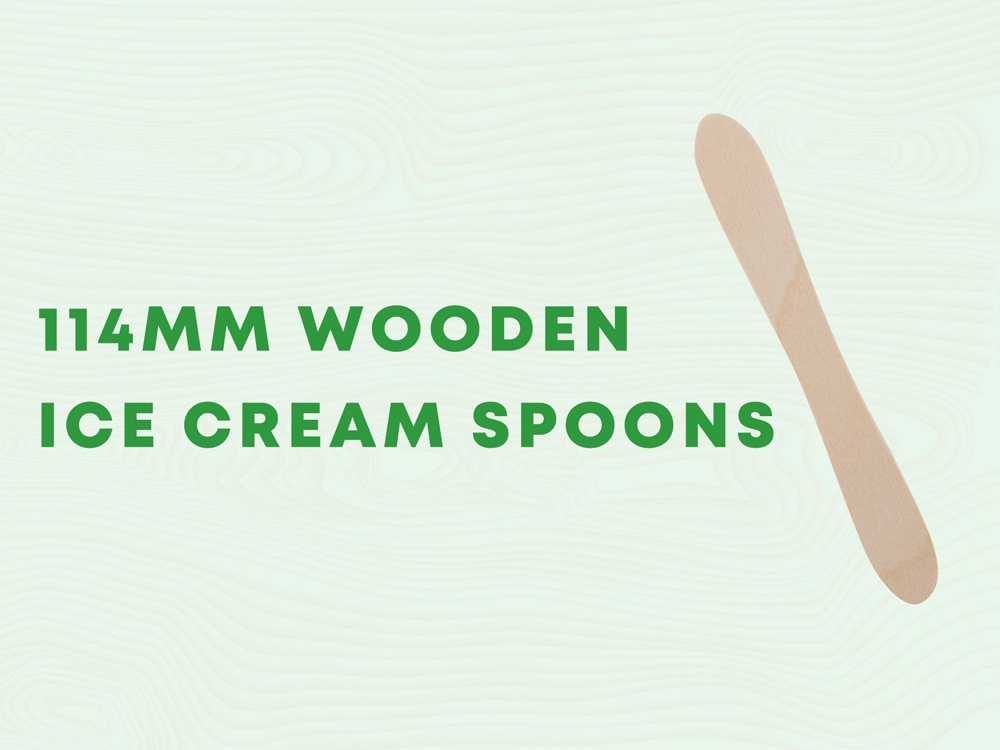
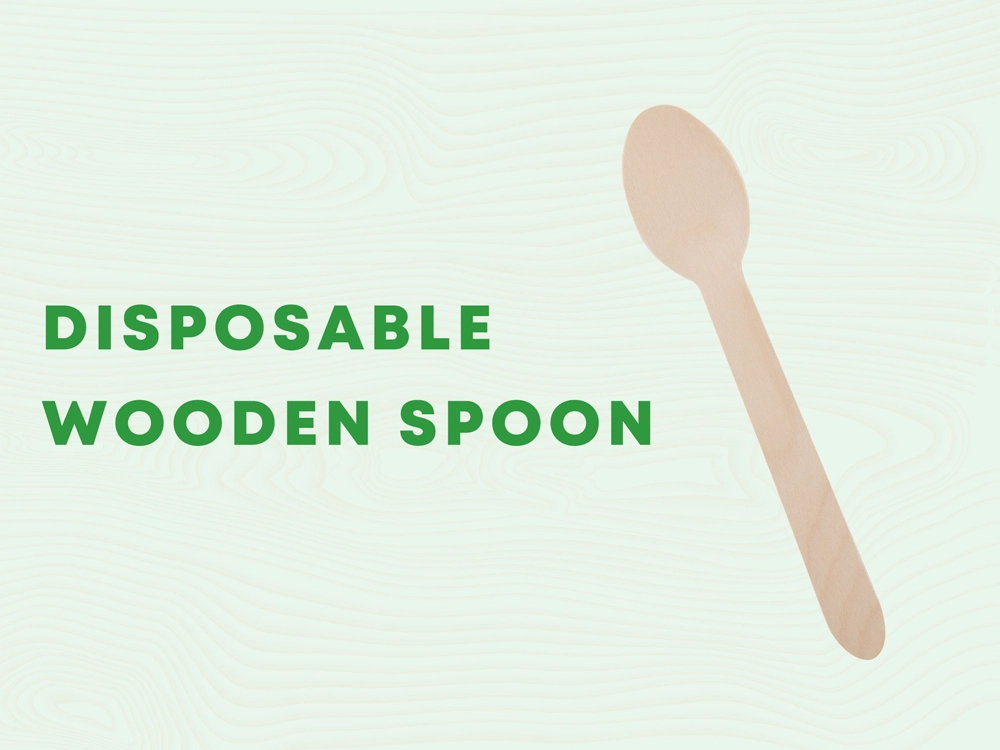
On the other hand, disposable wooden cutlery remains a popular option because of its natural appearance, versatility, and practicality. It provides a comfortable dining experience while offering an environmentally responsible alternative to plastic products.
| Comparison Factor | Disposable Bamboo Cutlery | Disposable Wooden Cutlery |
|---|---|---|
| Raw Material | Made from renewable bamboo with dense natural fibers | Made from food-grade wood materials |
| Appearance | Smooth, elegant, and suitable for premium dining settings | Natural, simple, and rustic appearance |
| Strength | High density provides strong structural performance | Reliable strength for everyday food service applications |
| User Experience | Refined texture and comfortable handling | Traditional wooden feel with natural character |
| Common Applications | Restaurants, catering events, hotels, premium food service | Cafes, takeaway meals, catering, daily food operations |
| Sustainability | Bamboo is highly renewable due to rapid growth | Renewable when sourced through responsible forestry practices |
Both bamboo and wooden cutlery can support sustainable food service strategies. The better option depends on the business’s priorities, including product appearance, usage conditions, customer expectations, and purchasing goals.
The difference between bamboo and wood begins with their natural structures. Although both materials come from plants, their fiber composition creates different characteristics during manufacturing and everyday use.
Disposable bamboo cutlery is produced from selected bamboo materials that are processed into forks, knives, spoons, and other utensils. Bamboo contains tightly packed natural fibers that provide hardness and flexibility, allowing manufacturers to create lightweight products with a smooth and durable surface.
The manufacturing process typically includes material preparation, cutting, shaping, polishing, and quality inspection. These steps ensure that bamboo utensils have a comfortable feel while meeting food service requirements. The smooth finish of bamboo also makes it suitable for businesses that want disposable tableware with a premium appearance.
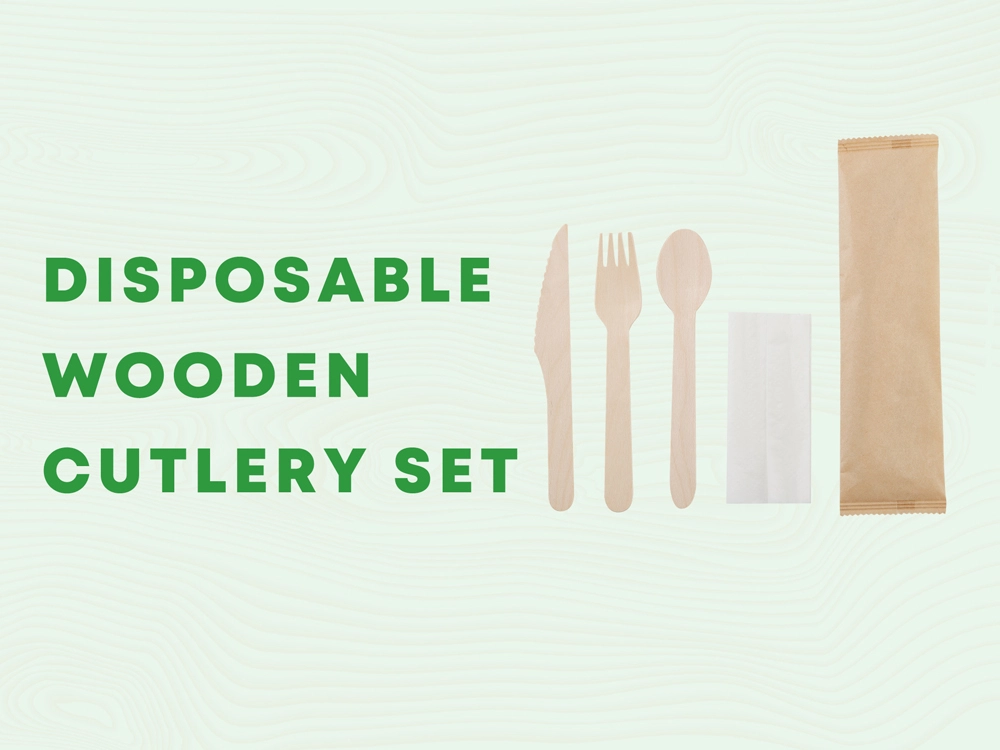
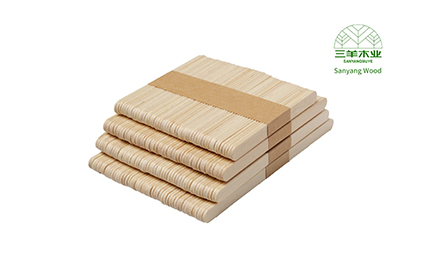
Disposable wooden cutlery is manufactured from carefully selected wood materials that are shaped and polished into food-safe utensils. Wood has been widely used in disposable tableware production because it offers stable availability, reliable processing technology, and a naturally warm appearance.
High-quality wooden utensils are designed to provide a smooth surface without rough edges, ensuring comfortable use with different types of food. The natural grain and texture of wood also create a more traditional dining atmosphere, which many customers associate with sustainable and authentic products.
From a manufacturing perspective, bamboo often stands out for its density and modern appearance, while wood offers versatility and established production methods. Neither material is suitable for every situation, so businesses should evaluate their specific needs before choosing between the two options.
For companies looking for sustainable disposable tableware solutions, Sanyang Wood provides a range of environmentally friendly products designed for different food service applications.
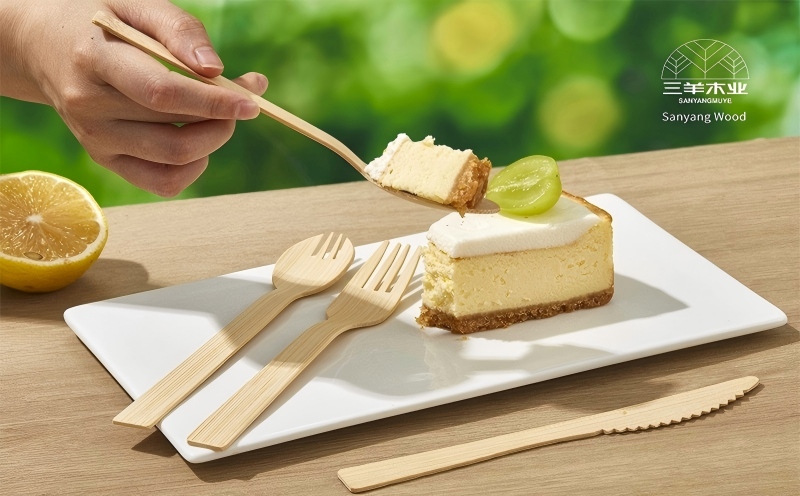
Performance is one of the most important factors when selecting disposable utensils. A sustainable product must also provide the strength and reliability customers expect during actual use.
Disposable bamboo utensils are recognized for their excellent strength-to-weight ratio. The dense structure of bamboo helps create utensils that maintain stability when used with different foods, including heavier meals that require stronger forks, knives, or spoons.
Because of their refined appearance and reliable performance, disposable bamboo cutlery is often used in restaurants, catering services, outdoor events, and premium food service environments where customer experience is a priority.
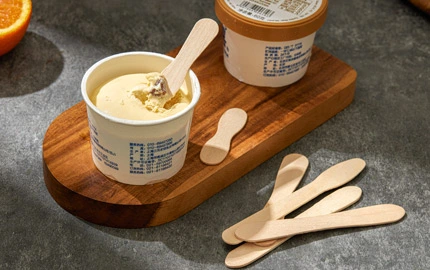
Disposable wooden cutlery provides dependable performance for a wide range of everyday applications. Wooden forks, knives, and spoons are commonly used for takeaway meals, desserts, salads, snacks, and casual dining services.
The following comparison highlights how bamboo and wooden cutlery perform in different food service situations:
| Performance Category | Disposable Bamboo Cutlery | Disposable Wooden Cutlery |
|---|---|---|
| Durability | Suitable for applications requiring stronger disposable utensils | Reliable for regular meals and takeaway services |
| Texture | Smooth and polished surface | Natural wood texture and comfortable grip |
| Premium Presentation | Provides a more elegant dining appearance | Creates a natural and rustic style |
| Best Fit | Premium restaurants, events, and branded food services | Cafes, takeaway businesses, and high-volume operations |
When presentation and customer perception are key factors, disposable bamboo cutlery can provide an upgraded dining experience. When businesses need practical, reliable, and cost-effective solutions for daily operations, disposable wooden cutlery remains a strong choice.
Businesses can explore suitable sustainable tableware options through the Sanyang Wood product collection to find solutions that match their food service requirements.
Sustainability is one of the main reasons why businesses are replacing traditional plastic utensils with natural alternatives. Both disposable bamboo cutlery and disposable wooden cutlery offer environmental advantages, but their sustainability characteristics come from different material sources and production approaches.
Bamboo is widely recognized as a rapidly renewable resource. Compared with many traditional timber materials, bamboo can grow and regenerate quickly, making it an attractive choice for sustainable product development. This renewable characteristic is one of the reasons why many restaurants, catering companies, and eco-conscious brands choose disposable bamboo utensils for their food service operations.
The natural growth cycle of bamboo allows manufacturers to obtain a renewable raw material while reducing dependence on petroleum-based plastics. In addition, bamboo products often have a natural appearance that aligns well with brands focused on sustainability and environmentally responsible dining experiences.
Wood is also a renewable material when sourced through responsible forestry practices. High-quality disposable wooden cutlery is produced using carefully selected wood materials that are processed to meet food-contact requirements. Sustainable forestry management helps ensure that wood resources can continue to support long-term product applications.
However, the environmental impact of any disposable product depends on more than just the material itself. Factors such as raw material sourcing, manufacturing efficiency, transportation methods, product lifespan, and waste management all influence the overall sustainability performance.
For food service businesses, both bamboo and wooden cutlery can be responsible alternatives to plastic utensils. The right choice depends on whether a company prioritizes renewable material characteristics, product appearance, cost considerations, or specific customer expectations.
By selecting high-quality sustainable products from experienced suppliers, businesses can provide customers with a better dining experience while supporting broader environmental goals.
Choosing between disposable bamboo cutlery and disposable wooden cutlery requires businesses to consider their specific operating environment, customer expectations, and product positioning. While both options provide sustainable benefits, they serve slightly different needs.
For premium restaurants, hotels, catering companies, and event organizers, disposable bamboo cutlery may be the preferred choice. Its smooth surface, refined appearance, and strong structure make it suitable for occasions where presentation and customer experience are especially important.
For cafes, takeaway businesses, food trucks, and large-volume food service operations, disposable wooden cutlery can be a practical solution. It provides reliable performance, natural aesthetics, and flexibility for everyday applications while maintaining an eco-friendly image.
Businesses should also consider the type of food being served. Meals that require stronger utensils, such as heavier dishes or premium dining menus, may benefit from the enhanced rigidity of bamboo products. For lighter meals, snacks, desserts, and general takeaway services, wooden utensils can provide sufficient performance.
Another important factor is brand positioning. Companies that want to emphasize luxury, innovation, and sustainability may prefer the refined look of bamboo. Businesses focused on natural simplicity and practical sustainability may find wooden cutlery better aligned with their brand identity.
Working with a reliable supplier is also essential for maintaining consistent quality and supply. Sanyang Wood provides sustainable disposable tableware solutions designed for different commercial applications, helping businesses select suitable products based on their operational requirements.
For more information about available solutions or product options, businesses can visit the Sanyang Wood product page or contact the team through the Sanyang Wood contact page.
Both disposable bamboo cutlery and disposable wooden cutlery provide effective alternatives to traditional plastic utensils and help food service businesses move toward more sustainable practices.
Disposable bamboo cutlery stands out for its smooth finish, strong structure, and premium appearance, making it suitable for restaurants, catering services, hotels, and businesses that want to enhance the customer dining experience. Disposable wooden cutlery remains a practical and versatile option for everyday food service applications, offering reliable performance with a natural look.
There is no single solution that fits every business. The best choice depends on factors such as application requirements, food types, customer expectations, sustainability goals, and overall brand positioning. By understanding the differences between bamboo and wood materials, businesses can make more informed decisions and choose disposable utensils that deliver both functional and environmental value.
With experience in sustainable disposable tableware solutions, Sanyang Wood continues to support businesses looking for reliable bamboo and wooden cutlery products that meet modern food service needs.
1. What is the main difference between disposable bamboo cutlery and disposable wooden cutlery?
The main difference is the raw material. Disposable bamboo cutlery is made from bamboo, which has dense natural fibers and a smooth appearance, while disposable wooden cutlery is made from food-grade wood materials with a natural texture and traditional look.
2. Is disposable bamboo cutlery stronger than disposable wooden cutlery?
Disposable bamboo cutlery is generally considered slightly stronger because bamboo has a dense fiber structure. However, high-quality disposable wooden cutlery can also provide reliable performance for most everyday food service applications.
3. Are disposable bamboo utensils environmentally friendly?
Yes. Disposable bamboo utensils are made from renewable bamboo resources and are commonly used as sustainable alternatives to plastic utensils in restaurants, catering, and takeaway services.
4. Which type of cutlery is better for restaurants and catering events?
The best choice depends on the event requirements. Disposable bamboo cutlery is often preferred for premium restaurants and catering events because of its elegant appearance, while disposable wooden cutlery works well for general food service needs.
5. Can disposable wooden cutlery replace plastic utensils?
Yes. Disposable wooden cutlery can replace many traditional plastic utensils and provides a natural alternative for cafes, restaurants, takeaway businesses, and catering operations.
6. How should businesses choose between bamboo and wooden disposable utensils?
Businesses should consider product performance, food type, customer expectations, sustainability goals, budget, and supplier reliability when choosing between disposable bamboo cutlery and disposable wooden cutlery.