What are you looking for?
×

It costs less than a cent. It's in the customer's hand for thirty seconds. And in 2026, it's one of the most scrutinized items on the café counter.
The plastic stir stick has become a symbol of the "invisible plastic" problem that cafés and coffee chains are under pressure to eliminate. Customers photograph it. Reviewers mention it. Sustainability auditors flag it. And unlike a plastic lid or a straw—where alternatives are well-established—many operators are still defaulting to plastic stir sticks out of habit, not necessity.
In 2026, the switch to wooden stir sticks is both a compliance move and a brand signal. For chains and premium concepts, personalized wooden stir sticks go further—turning a disposable accessory into a daily brand touchpoint at the moment of first sip. The challenge is specifying them correctly so they perform in real café conditions: hot drinks, thick syrups, fast service, and high-volume purchasing.
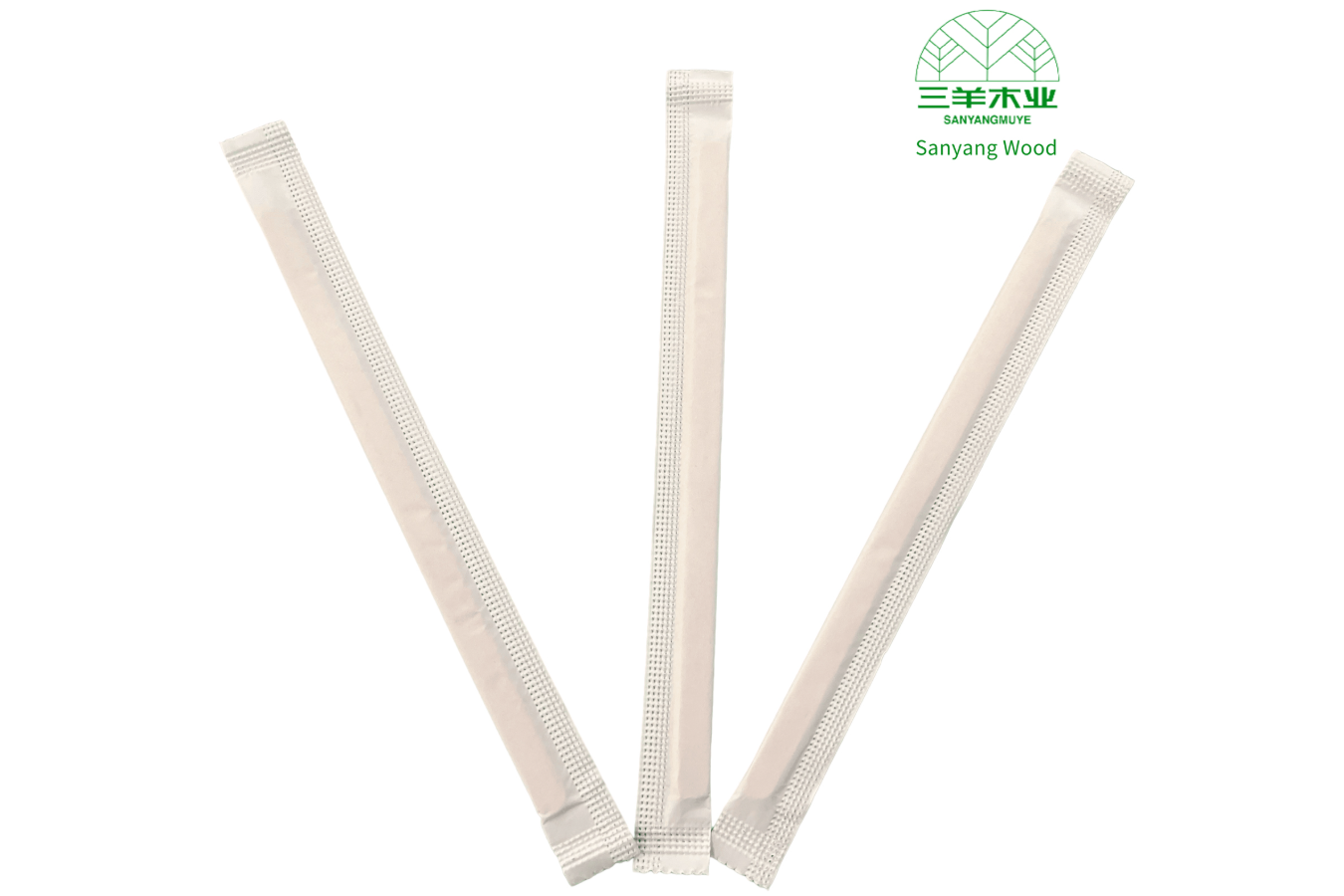
The functional case for wooden stir sticks in café applications is straightforward:
Structural rigidity at temperature: dense wood fiber maintains stiffness in hot beverages where low-cost plastics soften and flex; a stick that bends during stirring is a service failure that customers notice and remember
Heat tolerance: wood does not deform at typical hot beverage temperatures (60–80°C), which is the primary failure mode of commodity plastic stir sticks
Natural thermal feel: wood does not conduct heat the way metal does and does not feel artificially synthetic the way plastic does—the hand-feel is neutral and comfortable
The customer's experience of a stir stick is brief but tactile. A smooth, well-finished wooden stick communicates quality in the same way that a smooth wooden spoon does—it signals that the operator has thought about the details. A rough stick with raised fibers or sharp edges communicates the opposite.
Specific improvements from properly finished wooden stir sticks:
Smooth edges reduce splinter risk and improve hand-feel during stirring
Natural appearance aligns with the "modern café" sustainability positioning that most specialty coffee brands are actively building
No plastic perception—customers who are looking for plastic in their order do not flag a wooden stick
The operational case is equally simple: wooden stir sticks are a drop-in replacement for plastic in virtually all café applications. No equipment changes, no process redesign, no staff retraining beyond updating the reorder SKU.
Specifying stir sticks without defining performance parameters produces the most common procurement failure in this category: sticks that look acceptable in a product photo but snap during service or feel rough in the customer's hand.
| Cup Format | Recommended Length |
|---|---|
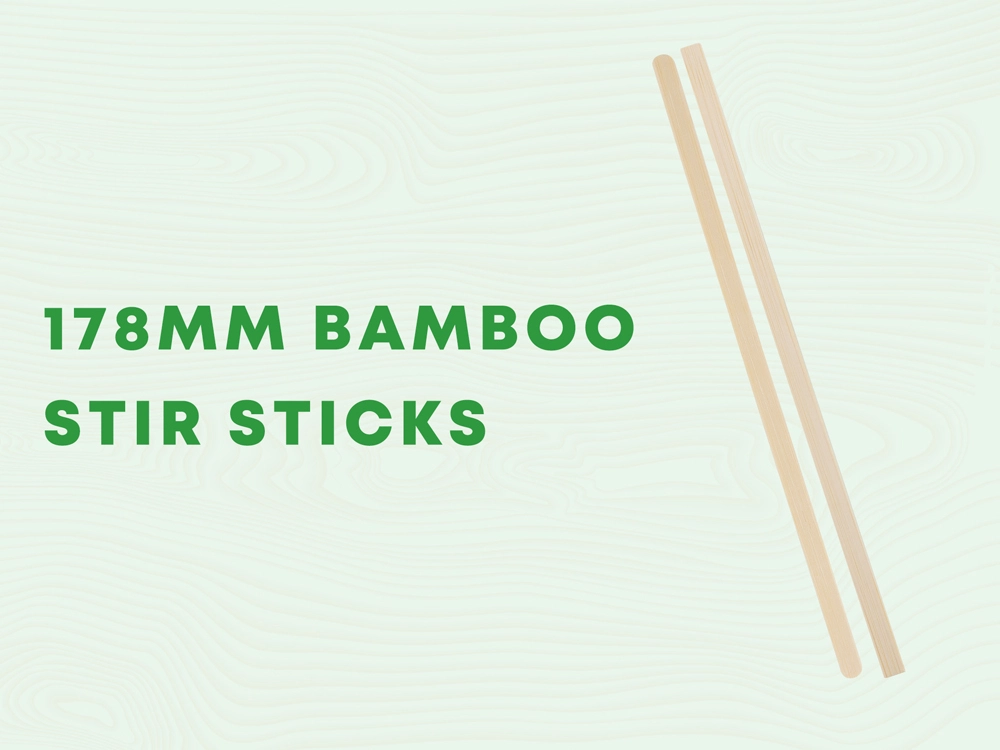
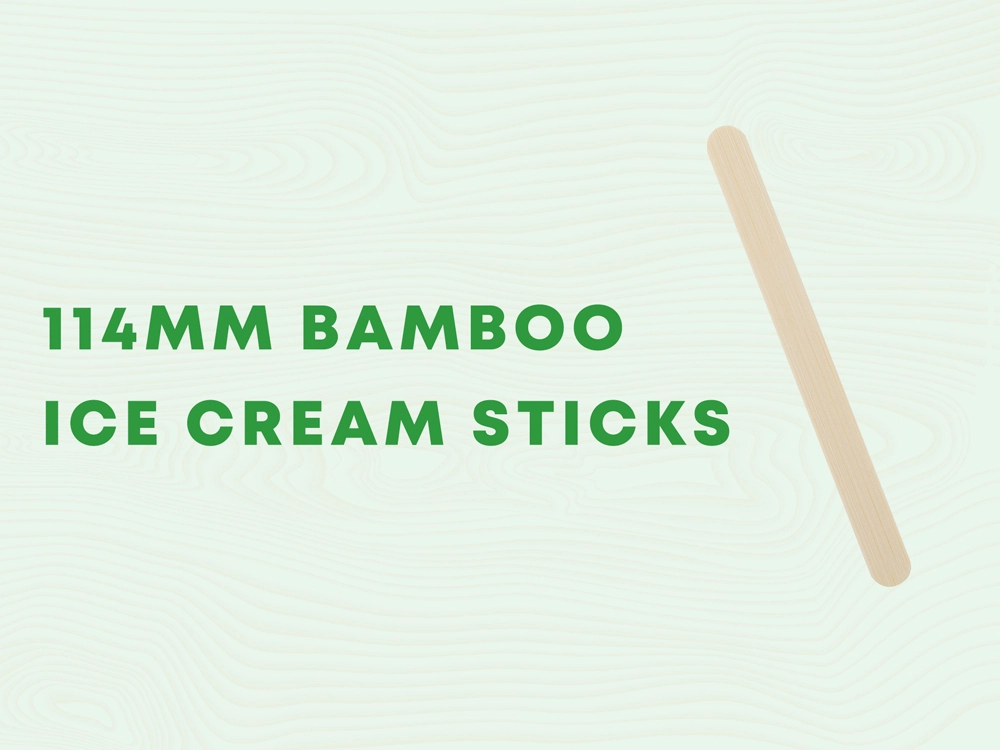
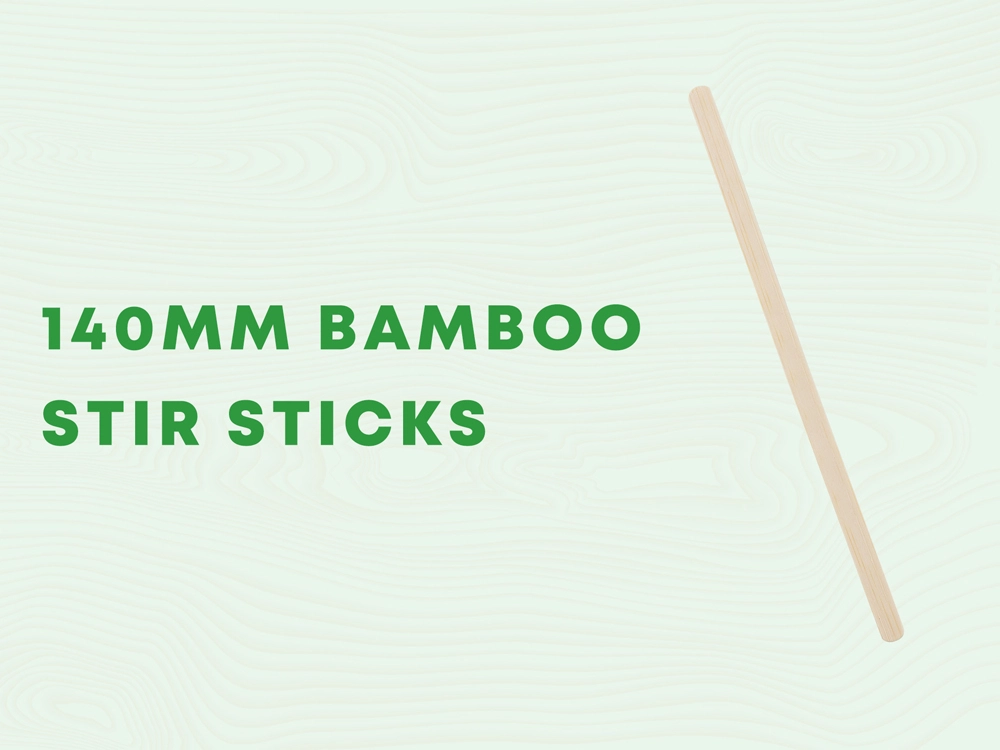
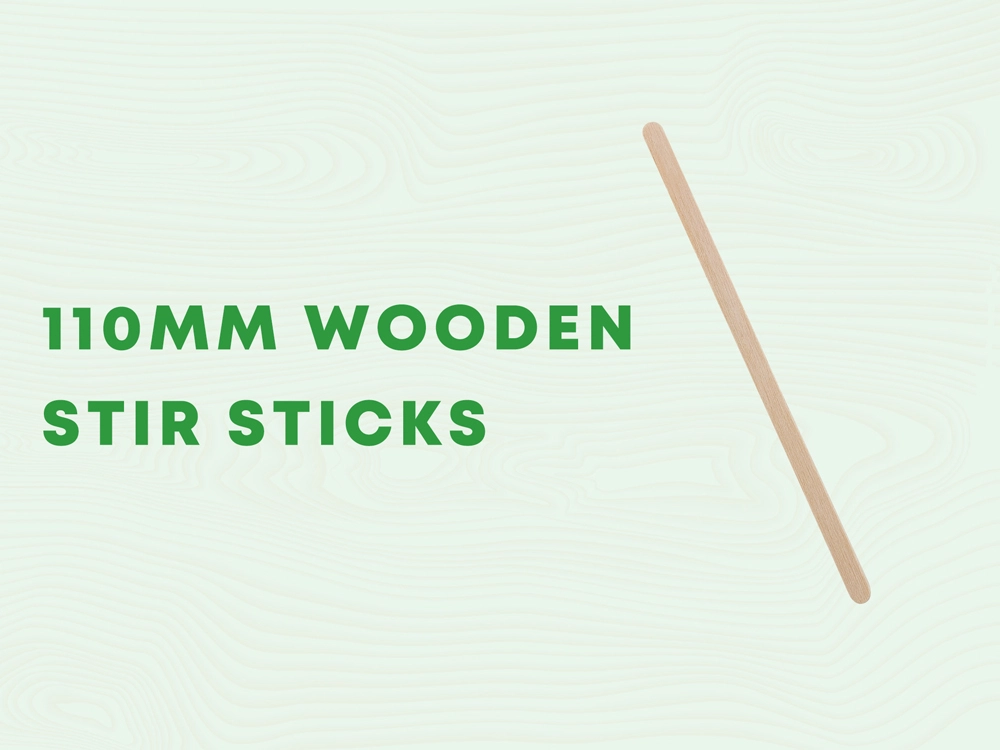
| Espresso / small cups (4–6 oz) | 100–110mm |
| Standard hot cups (8–12 oz) | 130–140mm |
| Large hot cups (14–16 oz) | 150–160mm |
| Iced drinks / tall cups (20–24 oz) | 170–190mm |
The stick must reach the bottom of the cup with enough handle above the rim for comfortable grip. Under-length sticks in tall cups are a service failure that generates complaints.
Minimum thickness determines break resistance under stirring force
Thicker syrups and sugar granules require more stirring force—specify thickness against your most demanding mix-in, not your lightest
Standard café stir sticks typically run 2.0–2.5mm thickness; heavy-duty applications may require 3.0mm
Multi-stage sanding: specify sanded finish, not just "smooth"—single-stage sanding leaves micro-texture that customers feel as rough during hand contact
Edge finishing: the long edges and both ends of the stick require specific deburring; these are the contact points where splinter risk is highest
Consistency across batch: finish quality must be consistent across the full order quantity, not just on the sample
Wood taste in a stir stick is a processing and storage issue. Properly processed and stored wooden stir sticks should be taste-neutral. Specify:
Clean processing without chemical treatments that transfer taste or odor
Moisture content at delivery within a defined range
Dry storage requirements to prevent grain raising and odor development
Bulk: for bar stations with high-volume throughput; cost-efficient for behind-bar use
Individually wrapped: for self-serve stations, takeaway kits, and hygiene-policy compliance
Dispenser-compatible: confirm stick dimensions fit your existing counter dispensers before ordering
A personalized wooden stir stick is one of the highest-frequency brand impressions in a café operation. A location serving 300 drinks per day delivers 300 branded touchpoints daily—at a cost per impression that is difficult to match with any other marketing channel.
Customization options that work on the narrow surface area of a stir stick:
Logo: brand mark on the handle, visible before and during use
Tagline or campaign text: seasonal drink name, loyalty program message, or brand slogan
QR code: links to loyalty app, seasonal menu, or campaign landing page
Private-label bundles: consistent branding across all locations for multi-site chains and franchises
Keep print design simple: the surface area is narrow and the viewing distance is close; complex designs lose legibility
Confirm ink stability with heat and condensation: the stick will be handled near hot beverages and may be exposed to steam or condensation from iced drinks
Test print readability after handling: ink that looks sharp on a dry sample may fade or smear after normal café use if the printing method is not confirmed for the application
Increased "shareable" moments: a branded wooden stick in a specialty coffee photograph is a natural social media element
Stronger brand consistency across locations: personalized wooden stir sticks ensure every location delivers the same brand signal
Improved perceived quality: customers associate branded, natural-material accessories with premium positioning
As shown below, the production of wooden stir sticks follows a carefully controlled workflow: cutting, drying, sanding, and quality control, with an optional personalization step available for custom orders, before final packaging for café use. Each stage is designed to ensure consistency, safety, and a premium finish.
Wood selection
        ↓
Cutting to length & shaping
        ↓
Drying / moisture control
        ↓
Edge sanding & surface smoothing
        ↓
QC checks (length, thickness, splinters)
        ↓
Optional personalization (logo / text)
        ↓
Packaging (bulk or wrapped)
        ↓
Café use (hot & iced drinks)
Coffee, tea, hot chocolate, and lattes with syrups are the primary application for café stir sticks. The stick must maintain rigidity in liquid at 60–80°C for the duration of the stirring action—typically 5–15 seconds. Properly specified wooden sticks perform consistently in this range without softening or deforming.
Priority specs: length matched to cup size, thickness sufficient for syrup stirring, taste neutrality confirmed.
Iced coffee, milk tea, and cold brew with cream or syrup additions require longer sticks to reach the bottom of tall cups. Cold temperatures do not affect wood performance, but condensation on the outside of the cup can affect the stick if it is stored in contact with wet surfaces—dry storage and individually wrapped options address this.
Priority specs: longer length for tall cup formats, individually wrapped for hygiene in self-serve iced drink stations.
Sugar stations, creamer stations, and takeaway kit assembly are secondary applications where stir sticks are included as a standard accessory. Bulk packaging is appropriate for behind-bar use; individually wrapped is appropriate for self-serve and takeaway kit inclusion.
| Pain Point | How Wooden Stir Sticks Address It |
|---|---|
| Plastic complaints in reviews | Natural material removes plastic perception entirely |
| Regulatory compliance questions | Plant-based, compostable-compatible material |
| Stick bending in hot drinks | Wood rigidity maintained at beverage temperatures |
| Rough edges and splinters | Multi-stage sanding and edge deburring |
| Inconsistent supply quality | Specified dimensions and finish criteria for repeat orders |
Switching to wooden stir sticks requires no equipment changes. The transition involves:
Replacing plastic sticks at bar stations and in takeaway kits
Updating the reorder SKU in the purchasing system
Confirming dispenser compatibility with the new stick dimensions
Updating storage SOP: keep dry, away from steam and condensation sources
Confirm cup sizes and drink mix: identify your tallest cup and most demanding mix-in (thick syrup, sugar granules) to set minimum length and thickness requirements
Choose length and thickness: use the specification tables above as a starting point; validate with a sample test in your actual cups
Decide packaging format: bulk for behind-bar; individually wrapped for self-serve and takeaway; confirm dispenser compatibility
Decide on personalization: if personalized wooden stir sticks are in scope, define the design brief, confirm minimum order quantity, and test print stability before committing to a seasonal run
Run a pilot: measure break rate per 1,000 drinks, customer feedback mentions, and station refill speed over 30 days before locking the full-volume spec
| TCO Factor | Consideration |
|---|---|
| Unit cost | Modest premium over commodity plastic; offset by complaint reduction |
| Break rate | Correctly specified wooden sticks break less than under-spec plastic |
| Complaint reduction | Fewer plastic-related negative reviews reduces brand management cost |
| Compliance value | Removes single-use plastic regulatory exposure |
| Brand impression value | Personalized wooden stir sticks deliver daily branded impressions at low cost per impression |
| Supply stability | Consistent specs from a qualified supplier reduce operational friction |
Practical KPIs to track after switching:
Break rate per 1,000 drinks served
Plastic-related complaint mentions per month
Station refill frequency (a proxy for stick waste from breakage)
Customer feedback on sustainability and quality perception
In 2026, the plastic stir stick is not a neutral choice—it is a daily brand signal that communicates something about how the café thinks about sustainability, quality, and customer experience. Switching to wooden stir sticks removes the plastic perception problem while maintaining the functional performance that fast-service café operations require.
For chains and premium concepts, personalized wooden stir sticks add a low-cost branding layer at massive daily impression volume—turning a thirty-second customer interaction into a consistent, on-brand touchpoint that reinforces the premium positioning the rest of the operation is working to build.
Visit the product page and submit your details to receive a recommended specification and quotation:
View wooden stir stick options and request a quote
To receive an accurate recommendation, submit the following:
Work conditions: hot/iced drinks, syrup viscosity, self-serve vs behind-bar, hygiene requirements
Quantity: monthly usage and peak season or daypart demand
Size and spec: length, thickness, bulk vs wrapped, dispenser compatibility needs, personalization requirements
Target metrics: break rate target, smoothness requirement, branding visibility goal
Current problems: sticks snapping, rough edges, inconsistent length, plastic complaints, supply delays
Q1: What are stir sticks?
Stir sticks are small disposable sticks used to mix sugar, milk, cream, and syrups into beverages at coffee and tea service stations. Wooden stir sticks are made from food-contact wood processed through a controlled forming and finishing sequence—cutting, drying, multi-stage sanding, and quality inspection—to ensure smooth edges, structural rigidity in hot beverages, and taste neutrality. They are available in standard and personalized configurations for behind-bar, self-serve, and takeaway kit applications.
Q2: How do wooden stir sticks compare to plastic or paper alternatives?
Wooden stir sticks maintain rigidity in hot beverages where low-cost plastics soften and deform, and they remove the plastic perception and regulatory risk that plastic sticks carry in 2026. Paper stir sticks can soften from liquid absorption during use, particularly in hot beverages with extended contact time. Wood provides a better balance of rigidity, heat tolerance, natural feel, and sustainability positioning than either alternative for most café applications. The key is correct specification—thickness and finish quality determine whether the wooden stick performs better or worse than the plastic it replaces.
Q3: What ROI can we expect from switching to wooden stir sticks?
ROI from switching to wooden stir sticks is driven by complaint reduction, brand perception improvement, and compliance risk elimination. The most reliable way to quantify ROI is a 30-day pilot measuring break rate per 1,000 drinks, plastic-related complaint mentions in reviews, and station refill frequency. For operations adding personalized wooden stir sticks, the brand impression value—daily branded touchpoints at a cost per impression lower than most digital channels—adds a marketing ROI component that compounds with volume.
Q4: Do we need to modify our café process to switch?
No equipment changes are required. Wooden stir sticks are a drop-in replacement for plastic in all standard café applications. The only adjustments needed are confirming dispenser compatibility with the new stick dimensions, updating the reorder SKU, choosing between bulk and individually wrapped packaging based on your service model, and updating storage SOP to keep sticks dry and away from steam sources. Most operations complete the transition within one ordering cycle.
Q5: What parameters should we provide for correct selection and quoting?
To receive an accurate recommendation and quotation for stir sticks, provide: cup sizes served (smallest and largest), hot and iced drink ratio, expected stirring load (light sugar vs thick syrups), preferred stick length and thickness, packaging format (bulk or individually wrapped), dispenser type and dimensions if applicable, whether personalized wooden stir sticks are required and if so the design brief and minimum order quantity, monthly volume and peak season demand, and any hygiene or compliance documentation requirements.